
Vesper Constance
Vesper constancei
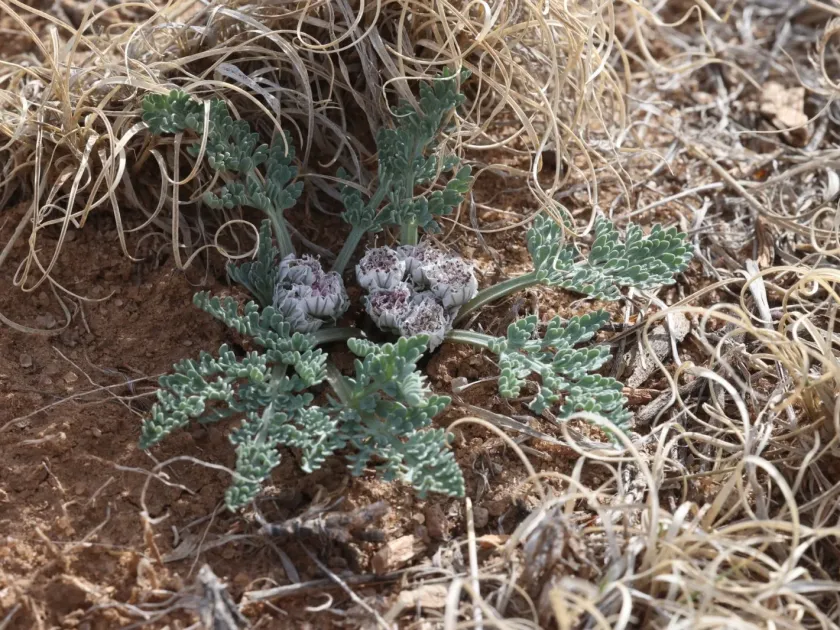
Description
Sowing dates
Sowing Vesper Constance requires well-warmed soil, typically occurring after the danger of spring frosts has completely passed. The ideal planting window opens in late April or early May when soil temperatures reach 10–12 degrees Celsius at seeding depth.
The optimal planting depth is 3 to 5 centimeters, adjusted based on soil texture. Lighter sandy soils necessitate deeper planting to retain moisture, while heavier clay soils require shallower placement to ensure the sprouts can emerge without excessive stress.
A row spacing of 45–60 centimeters is recommended to allow for proper airflow and space for plant development. This spacing also facilitates easier mechanical weed control and maintenance operations throughout the growing season.
Uniformity in seed distribution is critical for a high-quality stand. Using precision pneumatic seeders is advised to maintain consistent plant spacing, which optimizes resource utilization and contributes to more uniform growth across the entire field.
After sowing, firming the soil with a roller is essential to ensure excellent seed-to-soil contact. This practice promotes faster moisture absorption and guarantees synchronized germination, which is a fundamental requirement for uniform maturity at harvest time.
Growing requirements
Vesper Constance thrives in sunny, open locations with good air circulation. The crop is heat-loving and shows the most vigorous development when daytime temperatures consistently range between 18 and 25 degrees Celsius during the peak of the season.
The plant prefers well-cultivated loam or chernozem soils with a neutral pH. It is highly sensitive to waterlogging, so ensuring effective site drainage is crucial for preventing root-zone issues and maintaining crop health throughout the wet periods.
Water management is a key factor in yield stability. While the crop can tolerate moderate dryness, supplemental irrigation is recommended during peak growth phases or prolonged droughts to maintain metabolic activity and prevent premature wilting.
Fertilization programs should be tailored based on regular soil testing. Vesper Constance responds well to balanced NPK (nitrogen, phosphorus, potassium) applications, which are best delivered in stages to align with the plant’s developmental requirements.
Adherence to crop rotation principles is vital to prevent soil nutrient depletion and the accumulation of crop-specific pathogens. Planting after cereal crops or green manures provides the best foundation for a successful and healthy harvest.
Yield
Under intensive management practices, Vesper Constance can produce yields ranging from 30 to 45 centners per hectare. Final productivity levels are largely influenced by site-specific climatic conditions and the rigor of the agronomic management plan.
Maximizing yield potential depends heavily on maintaining an optimal environment during the reproductive phase. Effective stress management, particularly in relation to water and nutrient availability, allows the crop to reach its genetic maturity potential.
Quality parameters, including physical mass and biochemical composition, are essential for determining the market value of the harvest. Timely harvesting at the peak of technical maturity ensures the product retains its premium characteristics.
The use of high-quality, certified seeds is the foundation of any productive operation. Genetic consistency ensures that the crop matures evenly, which greatly simplifies the logistical demands of the harvesting process and enhances the overall efficiency.
Strategic investment in modern crop protection and balanced nutrition yields strong financial returns. Vesper Constance is known for its reliable performance, making it a sustainable and attractive choice for various farming operations.
Main diseases and pests
The crop is susceptible to several fungal diseases, most notably powdery mildew and various root rots. These pathogens spread most aggressively in conditions of high humidity, particularly when plant density is poorly managed.
Preventative fungicide treatments are standard for minimizing fungal risks. Field monitoring should be performed weekly to identify early infection markers, allowing for targeted interventions before a full-scale outbreak can affect the entire crop.
Insects like aphids, thrips, and spider mites pose a significant threat by feeding on plant sap. These pests can cause severe physiological stress, which manifests as stunted growth and a significant reduction in total photosynthetic potential.
Integrated Pest Management (IPM) is the preferred approach, combining biological controls like natural predators with judicious chemical applications. This strategy reduces environmental impact while maintaining effective control over pest populations.
- Practicing autumn plowing to disrupt the life cycles of soil-dwelling pests.
- Maintaining adequate spatial isolation from neighboring fields.
- Removing weeds that may act as reservoirs for viral infections.
- Optimizing canopy density to ensure sufficient airflow and light penetration.
Harvesting
Harvesting Vesper Constance is initiated once the crop reaches technical maturity. Visual indicators, such as the change in organ coloration and the senescence of lower leaves, serve as the primary guide for scheduling the operation.
Mechanical harvesting with appropriately calibrated combines is the standard procedure. It is essential to avoid harvesting during wet or rainy conditions to prevent moisture contamination, which could compromise the storage life of the gathered product.
Post-harvest cleaning is necessary to remove plant debris and foreign matter. High-quality cleaning significantly reduces the risk of mold growth and self-heating in storage, ensuring that the harvested material maintains its quality until market.
Drying the harvested material to standard moisture levels is a critical step in post-harvest processing. The use of temperature-controlled active ventilation systems is recommended to remove excess moisture without degrading the biological properties.
Finally, storing the product in climate-controlled facilities is essential for preserving its marketability. Regular inspections during the storage period help identify potential issues early, ensuring the longevity and value of the final harvest.