
Vesper multinervatus
Vesper multinervatus
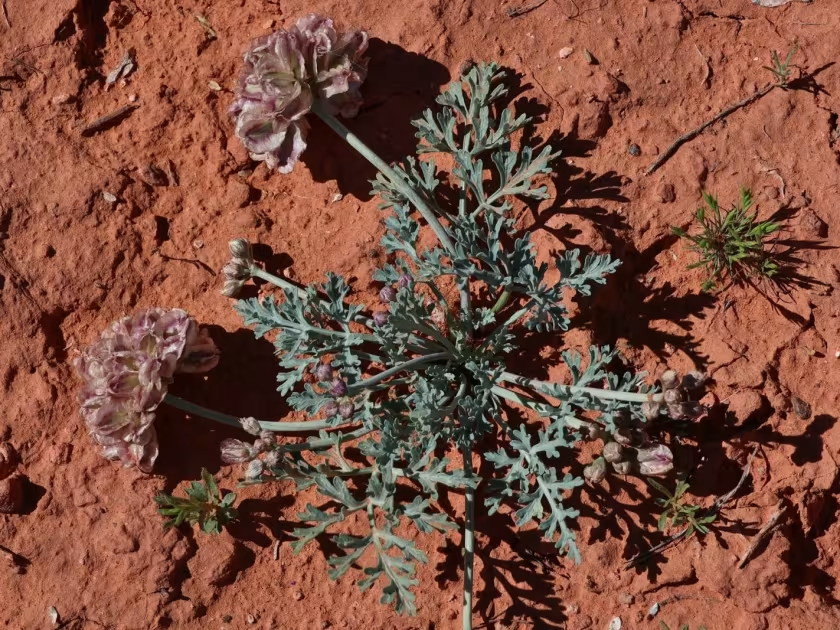
Description
Sowing dates
Sowing of this crop is performed exclusively in warmed soil when the average daily temperature stays consistently above 12 degrees Celsius.
The optimal time for starting sowing operations falls in the second decade of April or early May, depending on the climatic zone.
The sowing depth is 3–5 centimeters, which ensures proper seed contact with moist soil for uniform germination.
When using row sowing, a distance of 30–45 centimeters between rows is maintained, which is necessary for quality aeration of the crop.
Using high-quality treated seed material significantly reduces the risk of pathogen infection during the initial stages of vegetation.
Growing requirements
Vesper multinervatus prefers loose, fertile loamy soils with a neutral or slightly acidic pH level.
The crop is highly demanding regarding light, so open, well-ventilated areas without shading should be chosen for its cultivation.
The plant does not tolerate waterlogging in the root zone, so the availability of proper field drainage is a mandatory condition.
Moderate air humidity is required for normal growth, as sharp fluctuations in hydrothermal conditions negatively affect leaf development.
Applying mineral fertilizers, especially nitrogen and phosphorus dressings during the active growth phase, significantly increases biological productivity.
Yield
The potential yield of Vesper multinervatus depends on compliance with agricultural regulations and the intensity level of farming.
With crop rotation and optimal irrigation, average commercial production reaches about 1.5–2.5 tons per hectare.
The seed mass per plant reaches its maximum when all necessary phytosanitary measures are performed in a timely manner.
The coefficient of agricultural utility strongly correlates with harvesting quality and the minimization of losses during threshing.
Intensive cultivation technologies allow for a 20% increase in harvest mass compared to extensive farming methods.
Main diseases and pests
The greatest danger to the crop comes from fungal diseases that develop under conditions of high humidity and stagnant air.
Typical pests include soil insects that damage the root system during the seedling stage, as well as leaf-eating species.
To prevent the spread of infections, it is recommended to carry out preventive spraying with systemic fungicides.
Weed control is critically important, as weeds act as reservoirs for viral and bacterial infections.
- Root rot
- Powdery mildew
- Aphids
- Wireworms
Harvesting
Harvesting begins upon reaching full biological maturity, visually determined by the color change of the seed coat.
It is important not to allow the crop to over-mature in the field to prevent seed shedding and a significant decrease in grain quality.
The harvesting process is best carried out during morning or evening hours at low air humidity to facilitate the cleaning process.
After collection, the product must be promptly cleaned of impurities and dried in ventilated areas to a moisture content below 14%.
Storage of the harvested crop is recommended in dry, cool warehouses, protected from rodents and atmospheric precipitation.