
Mountain Vesper
Vesper montanus
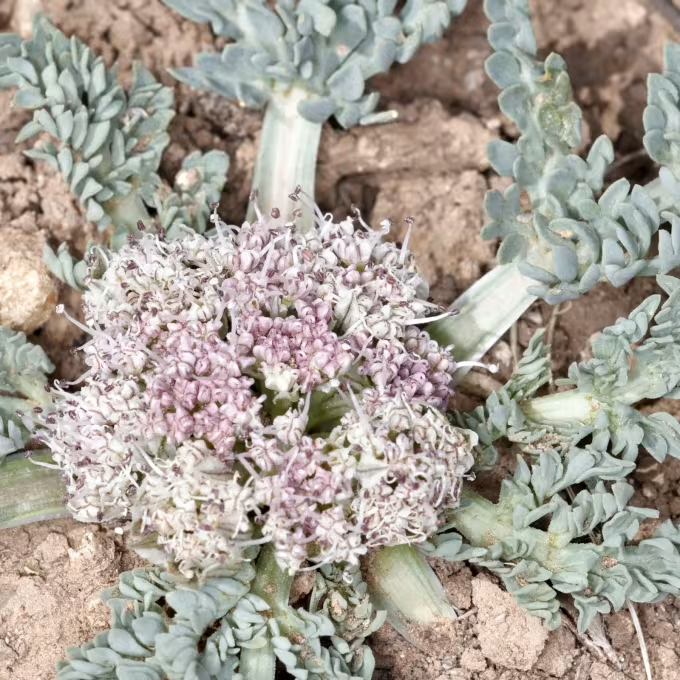
Description
Sowing dates
Mountain Vesper is an specialized crop belonging to the Ericaceae family, highly adapted to high-altitude environments. Sowing should take place early in the spring as soon as the snow melts and the soil moisture level is at its peak, facilitating germination.
The seeds require a cold stratification process to break dormancy, which mimics the natural winter cycle of mountainous regions. For commercial cultivation, seeds are sown in shallow furrows, no deeper than 1 to 2 centimeters, ensuring they remain close to the soil surface.
Seedbed preparation is critical; the soil must be fine-textured, well-drained, and slightly acidic. Using a mix of organic matter and local soil components helps in creating the ideal environment for the seeds to establish their initial root systems.
Row spacing should be maintained between 45 and 60 centimeters to allow for optimal airflow and light penetration. Proper spacing prevents the microclimate around the plant from becoming too stagnant, which is essential for avoiding fungal diseases.
In regions with fluctuating spring temperatures, the use of protective fleece or low tunnels can significantly improve germination rates. This technology provides a buffered climate that shields seedlings from sudden frost and drying winds.
Growing requirements
Mountain Vesper thrives in cool, humid conditions and requires a well-drained, acidic soil structure. The plant is sensitive to waterlogging, making the inclusion of gravel or high-quality drainage material in the planting mix a necessity.
Light requirements are high but indirect; in intense mountain sun, shading may be required to prevent leaf scorch. The optimal climate for this crop includes mild summers with a consistent supply of ambient humidity.
Nutritional needs are relatively low compared to intensive crops. A balanced application of slow-release fertilizers or composted conifer needles helps maintain the soil acidity that the Ericaceae family inherently prefers.
Watering must be precise; drought stress should be avoided during the vegetative stage, but excess water accumulation at the roots is detrimental. Irrigation systems must be calibrated to maintain soil moisture without saturation.
Environmental stability is key. Planting in sheltered positions, such as near rock formations or in protected valleys, helps buffer the plants against harsh mountain winds, which can lead to excessive transpiration and damage.
Yield
Yield potential is highly dependent on environmental factors and the age of the crop. Mature plants, typically reaching full production in their third or fourth year, can yield between 1.5 to 2 tonnes of quality biomass per hectare.
Strategic pruning and maintenance of the plants directly correlate with yield improvement. By removing dead or unproductive branches, the plant can direct more energy towards developing high-quality foliage or reproductive parts.
Monitoring for nutrient deficiencies is vital during the rapid growth phase. Small adjustments in micronutrient levels can result in significant improvements in the overall biomass volume and the concentration of secondary metabolites.
Harvesting efficiency is improved by utilizing modern machinery specifically adjusted for the delicate structure of this plant. Minimizing mechanical stress during the harvest process preserves the integrity of the material.
Post-harvest management, including immediate cooling or controlled drying, is essential for maintaining product quality. Proper logistics from the field to the storage facility ensures that the crop maintains its market value.
Main diseases and pests
The most common disease affecting Mountain Vesper is root rot, which typically manifests under conditions of poor soil aeration and drainage. Preventive treatment with fungicides and careful irrigation management are primary control methods.
Aphids are a significant pest, particularly in the spring when new growth is tender. Integrated pest management, including the introduction of beneficial insects like ladybugs, can often provide sufficient control without chemical interventions.
Powdery mildew can strike if air circulation around the plants is inadequate. Maintaining proper spacing and removing debris from the field significantly lowers the risk of mildew spread throughout the season.
Caterpillars and other leaf-feeding insects may pose a risk during the summer months. Regular field scouting and the use of pheromone traps allow growers to identify and manage outbreaks before they cause significant economic loss.
Rodents can cause damage to the crown of the plant during winter, especially when food sources are scarce. Protective barriers or deterrents are recommended in areas where rodent populations are high to ensure plant survival.
Harvesting
The timing of the harvest is critical and must align with the peak concentration of active compounds in the plant. Laboratory analysis of plant samples is the most reliable way to determine the optimal harvest window.
Harvesting during the early morning hours, before the heat of the day, helps reduce physiological stress on the plant material. This practice preserves the plant's essential oils and moisture levels, leading to a superior finished product.
Once harvested, the material should be transported quickly to the processing area. Stacking the plant matter too high during transit should be avoided to prevent overheating and premature degradation of the biomass.
Cleaning and sorting should be performed immediately after the material reaches the processing plant. This step ensures that only the highest quality components move forward to the drying and extraction stages.
Final storage must occur in a climate-controlled environment to prevent moisture buildup or the development of molds. Maintaining consistent conditions until the product is ready for transport is the final link in the quality chain.