
Vesicularia reticulata
Vesicularia reticulata
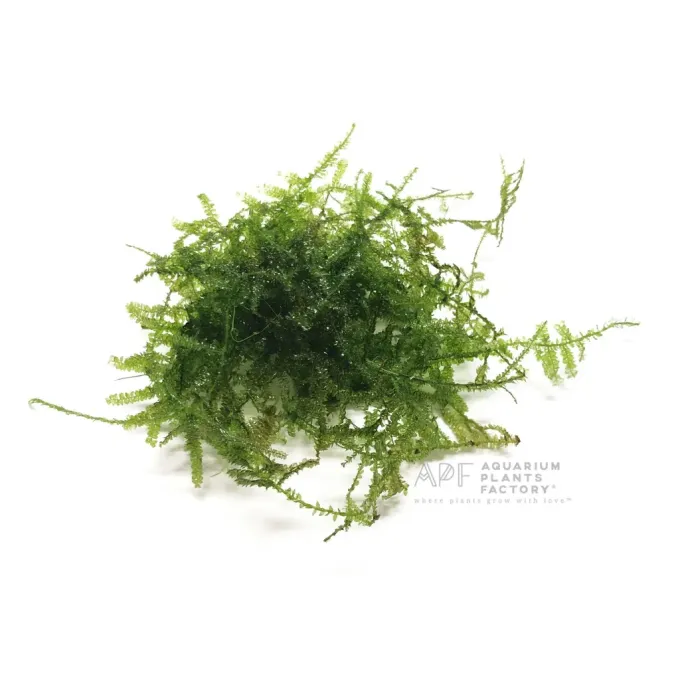
Description
Growing requirements
Vesicularia reticulata is a moss species belonging to the Hypnaceae family. In a controlled agricultural or horticultural setting, it is primarily cultivated as a specialized aquatic plant for decorative and ecological purposes.
This species is highly adaptable to various lighting conditions, making it an excellent choice for systems where light intensity cannot be strictly regulated, allowing for flexible management.
The optimal temperature range for the active growth of this moss is between 20 and 28 degrees Celsius. Staying within this range ensures robust metabolic activity and effective vegetative propagation.
Water chemistry is a critical factor for successful cultivation. The species thrives in environments with neutral to slightly acidic pH levels, reflecting the conditions of its native tropical habitats.
Nutrient management involves providing essential minerals through the water column. Since this moss lacks a traditional root system, it absorbs nutrients directly through its leaves, requiring consistent water quality maintenance.
Main diseases and pests
The main threat to Vesicularia reticulata consists of invasive filamentous algae, which can rapidly overgrow the moss, effectively smothering it and restricting its access to essential resources.
Cyanobacteria pose a significant risk, forming thick mats that prevent photosynthesis and trigger the degradation of the moss tissue, leading to widespread loss of the crop.
Invertebrate pests, such as certain types of aquatic snails or small crustaceans, can cause physical damage to the delicate structure of the moss, hindering its development.
Fluctuations in water quality parameters, such as sudden spikes in nitrogen compounds, often lead to chlorosis or necrosis, making the culture susceptible to opportunistic pathogens.
Improper airflow or stagnant water conditions in paludarium settings can encourage the growth of pathogenic fungi, resulting in decay and a loss of structural integrity of the moss carpet.