
Vanheerdea primosii
Vanheerdea primosii
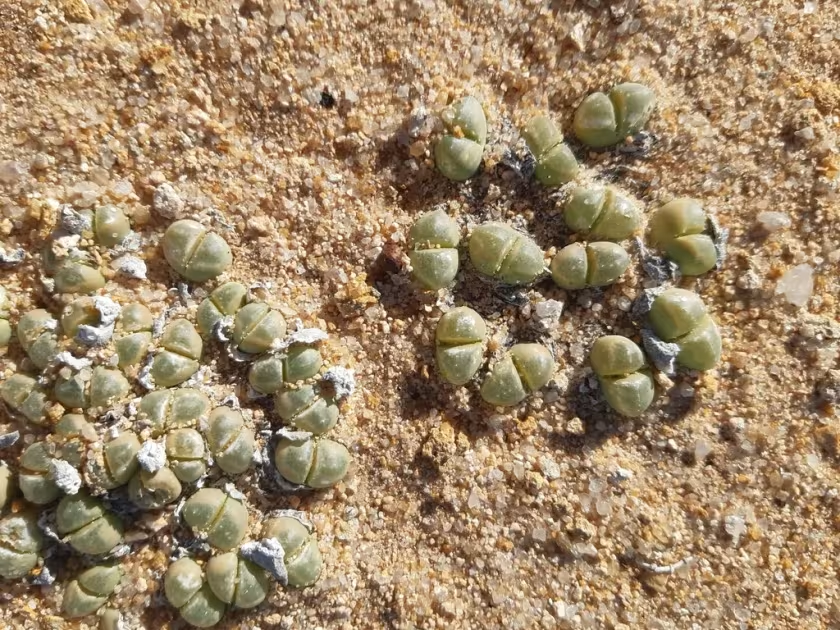
Description
Sowing dates
The propagation of Vanheerdea primosii is primarily performed by seeds, which should be sown during the spring months to benefit from increasing daylight.
Seeds require a gritty, well-draining substrate mix, typically composed of perlite, pumice, and a minimal amount of sterilized potting soil.
It is essential to maintain consistent warmth and high humidity during the germination phase to ensure a successful emergence of the seedlings.
Once germinated, the seedlings should be slowly acclimatized to lower humidity levels to prevent damping-off, a common fungal issue in young succulents.
Growth is notably slow, and young plants should only be transplanted once they have developed a robust root system and are physically mature.
Growing requirements
Vanheerdea primosii belongs to the Aizoaceae family and is native to the arid regions of South Africa, demanding specific environmental conditions.
These plants require maximum exposure to bright, diffused light, as direct, harsh sunlight can damage the epidermis of the succulent leaves.
The potting medium must provide excellent aeration and drainage, as the roots are highly susceptible to rot if kept in continuously damp conditions.
Watering must be strictly regulated according to the plant's seasonal cycle, with little to no water provided during the winter dormancy period.
Temperature fluctuations are generally tolerated well if they resemble the natural desert climate, provided that extreme frost is strictly avoided.
Main diseases and pests
The primary threat to the health of this species is root and crown rot, which often results from overwatering or inadequate soil drainage.
Pests such as mealybugs can infest the succulent, usually hiding in the crevices between the fleshy leaves and draining the plant's internal fluids.
Regular inspection of the plant's surface is crucial for early detection of potential pest infestations or signs of bacterial infection.
If an infestation is detected, systematic insecticides should be applied carefully to avoid damaging the delicate succulent tissues of the plant.
Good cultural practices, such as maintaining proper ventilation and avoiding water on the plant's foliage, are the best methods to prevent these issues.