
Ungernia spiralis
Ungernia spiralis
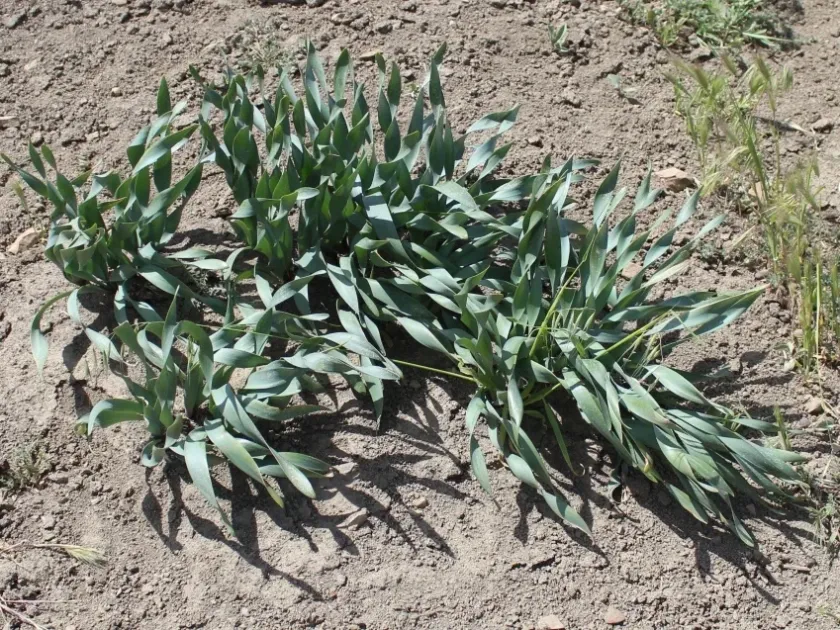
Description
Growing requirements
Ungernia spiralis is a bulbous perennial herbaceous plant belonging to the Amaryllidaceae family. It is endemic to the mountainous regions of Central Asia, where it thrives in rocky, arid landscapes.
The plant features a large, succulent bulb adapted to store nutrients and water, allowing it to survive extreme climatic variations, including scorching summers and cold winters.
Successful cultivation requires well-drained, porous soils. Heavy clay soils are unsuitable as they promote bulb rot and hinder the natural gas exchange required by the root system.
Optimal growth conditions involve high levels of solar radiation. The plant is heliophilic, and shading significantly reduces its metabolic activity and the production of essential alkaloids.
A dormant period is crucial for the development of Ungernia spiralis. During the peak of summer, after flowering, the plant enters a rest phase where water requirements drop to near zero.
Yield
The primary economic value of Ungernia spiralis stems from its alkaloid content, specifically lycorine and galantamine, which are extracted for pharmaceutical use in neurology and medicine.
Yield is measured by the biomass of leaves harvested during the peak vegetation period. Proper management ensures that the plant remains healthy enough for multiple yearly harvests.
The pharmacological potency of the harvest depends on the harvest timing. Late-season harvesting or harvesting in poor lighting conditions can lead to a decrease in alkaloid concentration.
Establishing a sustainable yield requires precise spacing, as overcrowding leads to competition for light and minerals, which directly impacts the bulb size and overall vigor.
In professional settings, yields are optimized through controlled fertilization programs that balance nitrogen, phosphorus, and potassium to favor secondary metabolite synthesis over biomass.
Main diseases and pests
The most common threats include fungal pathogens, particularly those causing basal rot. Such infections are almost exclusively linked to poor drainage and soil moisture management.
Insect pests that target bulbous crops, such as the Narcissus fly or onion maggots, can cause significant damage if the bulbs are not monitored for signs of infestation.
Weed control is vital during the early establishment phase. As a relatively slow-growing plant at the start of its cycle, it struggles to compete with aggressive grasses and weeds.
Winter damage is a potential risk in areas with deep frost. Protective mulching or growing the plant in climate-controlled environments is recommended in non-native latitudes.
Environmental stress, such as improper pH levels in the soil, can weaken the plant's natural defense systems, making it more susceptible to opportunistic diseases and pests.