
Ungernia sewerzowii
Ungernia sewerzowii
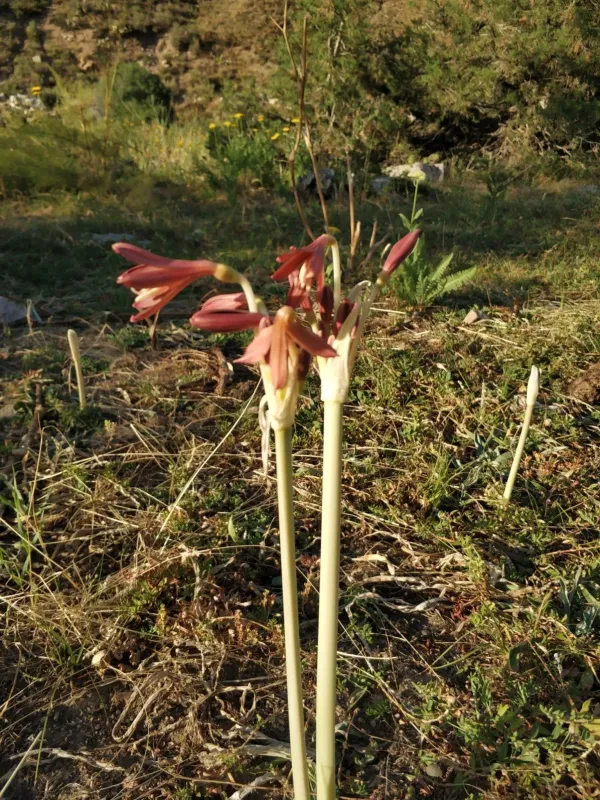
Description
Growing requirements
Ungernia sewerzowii is a perennial herbaceous bulbous plant belonging to the Amaryllidaceae family. It is native to the mountainous regions of Central Asia, where it thrives in rocky, well-drained slopes, demonstrating high resilience to arid conditions and seasonal temperature fluctuations.
The plant exhibits an ephemeroid growth habit, characterized by a rapid vegetative period in early spring followed by complete dormancy during the hot summer months. This biological strategy allows the plant to accumulate essential metabolites and carbohydrates within its bulb while avoiding heat-induced stress.
Cultivation of this species requires sites with excellent sunlight exposure and porous soil structures. Heavy or waterlogged soils are unsuitable as they inhibit proper drainage and promote decay. Garden beds should be situated in raised positions to ensure that spring runoff does not accumulate around the bulb base.
Agronomic management focuses on careful water regulation during the growing season. While the plants require moisture for leaf development, once the foliage begins to yellow, all irrigation must be suspended to force the plant into its natural dormancy phase, which is critical for long-term health.
Economically, Ungernia sewerzowii is highly regarded for its potential in pharmaceutical production. The bulbs serve as a primary source of lycorine, a potent alkaloid. Research into high-yield cultivars continues to expand as global demand for natural, sustainably sourced medicinal compounds grows.
Main diseases and pests
The primary threats to Ungernia sewerzowii in managed fields are fungal pathogens, specifically Fusarium and Botrytis species, which target the bulb and root systems. Proper soil aeration and spacing are critical preventive measures to mitigate these risks in intensive production environments.
Pests such as the narcissus fly (Merodon equestris) can cause significant damage by laying eggs near the bulb, with larvae boring into the tissue. Effective pest management strategies involve regular site inspections and the strategic use of biological controls to keep larvae populations below economic threshold levels.