
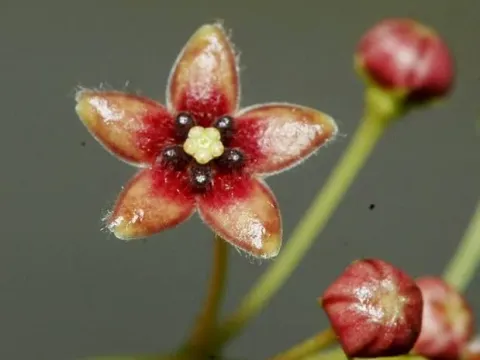
Tylophora
Tylophora
Sowing Tylophora in specialized agricultural settings is primarily carried out using seeds in a controlled environment. Successful seed stratification requires the maintenance of stable temperature and substrate moisture levels.
What the section contains


Tylophora
Spring is considered the optimal time to begin sowing, as the daylight hours begin to increase significantly. This timing ensures uniform germination and robust development of the root system before transplanting.
Seeds are sown into prepared trays or seedbeds with light, well-drained soil at a shallow depth. The surface is mulched with a thin layer of vermiculite to prevent the topsoil from drying out too quickly.
The temperature during the germination period must be kept between 22 and 25 degrees Celsius. Regular greenhouse ventilation is essential to prevent the development of fungal infections in young seedlings.
Pricking out seedlings is performed once two pairs of true leaves appear. Plants are moved into individual containers, which helps strengthen the stem and promotes the development of strong lateral roots.
Tylophora belongs to the Apocynaceae family and is a perennial herb or climbing vine. In its natural habitat, it thrives in tropical and subtropical regions across Asia and Africa.
For optimal growth, the crop requires fertile, loamy, or sandy soil with a neutral to slightly acidic pH level. Stagnant water in the root zone is detrimental, making high-quality drainage an absolute requirement.
The crop is light-loving, though it requires shading during periods of intense midday sun. When grown in protected environments, it is necessary to provide sufficient diffused light for effective photosynthesis.
The temperature optimum for vegetation is between 20 and 30 degrees Celsius. The plant is extremely sensitive to frost, and growth essentially ceases when temperatures drop below 10 degrees.
Regular watering must be accompanied by periodic soil loosening to ensure root aeration. It is vital to avoid letting the root ball dry out completely, as this negatively impacts the biochemical composition of the leaves.
The yield of Tylophora is measured by the weight of dried plant material harvested per unit of area. In industrial production, the output of quality product depends directly on mineral nutrition management.
Maximum productivity is typically achieved in the second year of vegetation, provided the vines are properly trained. Using trellises allows for increased leaf surface area, which positively influences the accumulation of valuable alkaloids.
The average biomass yield under optimal agronomic practices can reach several tons per hectare in terms of fresh weight. During the drying process, the raw material loses significant weight while retaining its active components.
Regular application of nitrogen-phosphorus fertilizers promotes intensive vegetative growth. However, excessive nitrogen may lead to a decrease in the concentration of specific compounds for which the crop is cultivated.
Systematic harvesting of leaves and young shoots throughout the season allows for multiple harvests per vegetative period without exhausting the parent plant.
Tylophora is susceptible to common greenhouse pests, with spider mites and whiteflies being the most dangerous. They feed on plant sap, causing leaf deformation and overall plant stress.
Fungal diseases, such as root rot, often occur due to incorrect watering regimes or poor facility ventilation. Prevention involves maintaining high hygiene standards and disinfecting tools between uses.
Powdery mildew can occur during periods of high humidity and sharp temperature fluctuations. Upon the first signs of fungal growth, the application of biological fungicides is necessary.
Aphids may infest the tips of young shoots, extracting vital nutrients. For pest control, environmentally safe insecticides based on plant oils are highly recommended.
The quality of irrigation water is a critical health factor for the crop. Using chlorinated water can lead to leaf yellowing and a compromised immune system in the plants.
Harvesting Tylophora leaves and stems is performed manually during the period of maximum concentration of active substances. This phase usually coincides with the plant's active budding stage.
Cut raw material must be dried quickly in well-ventilated rooms at temperatures not exceeding 45 degrees Celsius. This prevents fermentation and the loss of essential biological alkaloids.
After drying, the material undergoes a calibration and cleaning process to remove impurities. A correctly prepared product must retain its natural color and the characteristic aroma of the species.
Storage is carried out in airtight containers or paper craft bags in a dry, dark place. Under these conditions, the product retains its properties for 12 to 24 months without significant quality loss.
It is important to follow safety protocols during harvesting, as the sap of certain Tylophora species can cause skin irritation in sensitive individuals.