
Tylophora dickinsii
Tylophora dickinsii
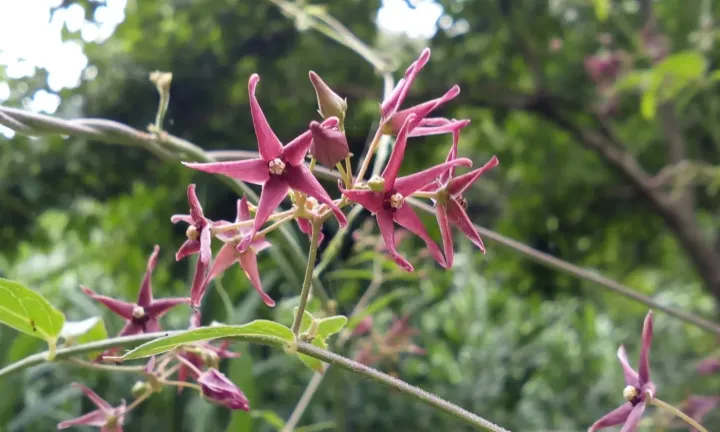
Description
Sowing dates
Tylophora dickinsii is a perennial plant that requires specific nursery conditions to establish healthy seedlings before transplanting into the field.
Seeds are typically sown in early spring, utilizing a substrate rich in organic matter to ensure high germination rates and robust initial development.
Controlled environment settings, such as greenhouses or cold frames, are recommended to protect young plants from sudden temperature drops during the transition period.
When transplanting, the spacing should be calibrated to prevent competition between plants, usually ensuring at least 40 cm between rows for optimal air circulation.
Regular irrigation is vital after sowing to maintain consistent moisture, as the seeds are sensitive to desiccation in the topsoil layer.
Growing requirements
Belonging to the Apocynaceae family, this species thrives in moderate climates where it can benefit from a balance of sunlight and sufficient soil moisture.
Soil requirements involve well-drained, fertile ground with a slightly acidic to neutral pH, which facilitates deep rooting and efficient nutrient uptake.
The plant demonstrates a preference for positions that provide partial shade, particularly in regions experiencing high solar intensity during summer months.
Strategic fertilization, focusing on potassium and phosphorus during the growth phase, helps improve the plant's tolerance to environmental stressors.
Maintaining the structural integrity of the soil through regular mechanical weeding is essential to support the long-term vigor of the perennial root system.
Main diseases and pests
The main threats to successful cultivation include fungal pathogens like Rhizoctonia, which can infect the root system in poorly drained or overly saturated soils.
Pests such as mites and aphids are frequently observed, particularly in dry conditions, where they can cause leaf curling and reduce photosynthetic capacity.
Integrated Pest Management (IPM) strategies, including the introduction of natural predators, are preferred to maintain the quality of the harvested biomass.
Viral infections can cause stunted growth and discoloration, necessitating the immediate removal and destruction of infected plant specimens to prevent spread.
Effective drainage management remains the primary defense against the majority of soil-borne diseases that affect the vitality of the plant crown.
Harvesting
Harvesting is concentrated in the peak growing season, focusing on the foliage and stems before the plant enters its senescence or dormant period.
Manual harvesting ensures that only the high-quality, undamaged portions of the plant are collected, preserving the integrity of the active biological compounds.
Post-harvest processing involves rapid removal of field heat and systematic drying in ventilated areas to prevent fermentation or microbial growth.
The duration of the drying process must be carefully monitored to avoid brittleness, while ensuring the internal moisture content reaches the safe threshold for storage.
Once dried, the product should be stored in dark, cool conditions to maintain its chemical profile and therapeutic efficacy for future utilization.