
Lax tower mustard
Turritis laxa
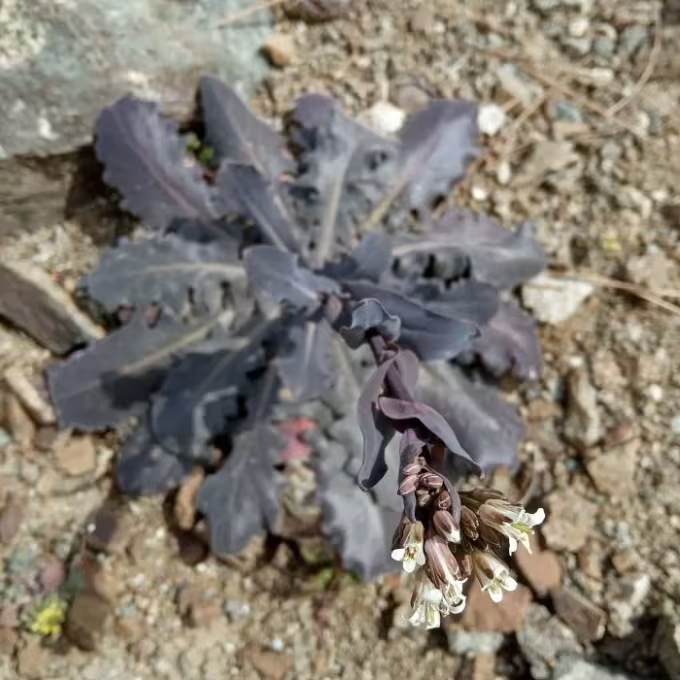
Description
Growing requirements
Lax tower mustard (Turritis laxa) is a perennial herbaceous plant belonging to the Brassicaceae family. It typically originates from rocky slopes and mountainous regions, adapted to harsh environments with excellent drainage.
The plant thrives in well-drained, nutrient-rich soils that possess a neutral to slightly alkaline pH. It does not tolerate waterlogging, which makes the choice of a light, aerated soil structure critical for its successful cultivation.
Climatically, the species is highly adapted to temperate zones, demonstrating significant resistance to cold and temperature fluctuations. It requires high levels of solar radiation to ensure healthy development and vigorous growth.
Agricultural management of Turritis laxa involves careful soil preparation to avoid compaction. The plant responds well to moderate mineral fertilization, provided that the nitrogen balance is kept under control to prevent excessive leafy overgrowth.
Spacing is a vital component of its agronomy. Adequate room between plants facilitates airflow, which is essential for maintaining plant vigor and reducing the risk of humidity-related disorders.
Main diseases and pests
The primary pests affecting this species are flea beetles and cabbage worms, which can significantly defoliate the plant during its early stages of development and mid-summer growth.
Fungal diseases, specifically downy mildew and root clubroot, represent a major risk factor. These are often triggered by excessive moisture and high humidity combined with poor air circulation around the crown.
Crop rotation is strictly advised when managing this plant, as species within the Brassicaceae family share common pathogens that can persist in the soil for several growing seasons if not addressed.
Integrated pest management strategies should focus on early detection of pest populations and the use of physical barriers or targeted biological control agents to mitigate damage.
Sanitation practices, including the removal of infected plant residues and weeds, are crucial to breaking the disease cycle and ensuring the long-term health of the cultivated area.