
Tower mustard
Turritis brassica
Description
Growing requirements
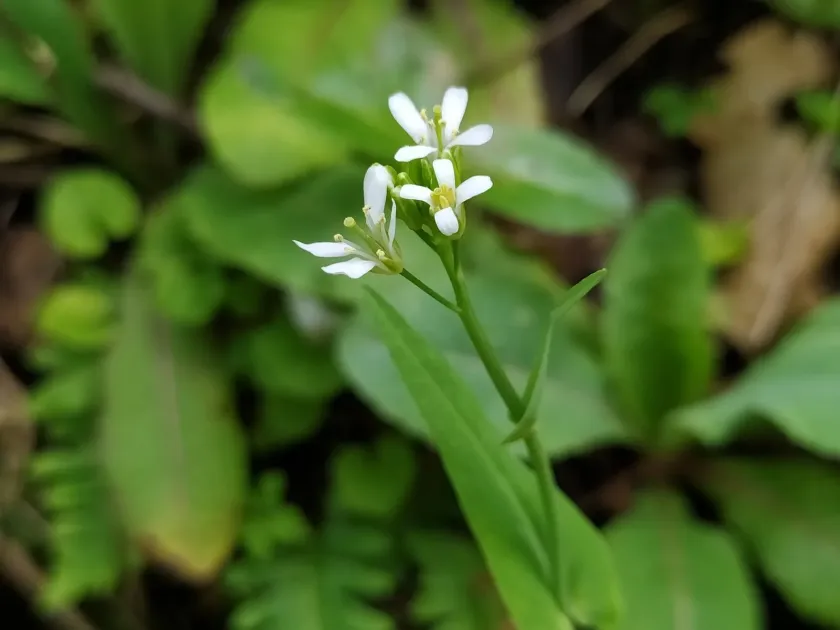
Tower mustard (Turritis brassica) is a plant species belonging to the Brassicaceae family. It is recognized for its robust nature and ability to thrive in various habitats, including dry, stony, or rocky soils, which highlights its significant ecological plasticity.
The plant requires well-drained soil and high levels of sunlight to reach its maximum productivity. It is relatively undemanding regarding nutrient content but thrives significantly better in moderately fertile, neutral, or slightly alkaline soils.
Climate adaptation is a key feature of this crop; it shows high cold resistance and can endure harsh winters, provided that the soil conditions do not promote excessive moisture accumulation around the root collar.
Agronomic management involves careful weed control during the establishment phase. Because the seedlings are relatively small, suppressing competitive weeds early in the season is vital for crop success.
Water requirements are moderate. While the plant can withstand dry spells, supplemental irrigation during the critical flowering and seed-setting stages can significantly improve total yield and quality.
Main diseases and pests
As a member of the Brassicaceae family, the plant is susceptible to common pests such as flea beetles, which can cause significant damage to young leaves. Early detection and intervention are essential to minimize losses.
Diseases like clubroot (Plasmodiophora brassicae) represent a major threat if crop rotation is not strictly followed. This pathogen can persist in the soil for several years, making long-term rotation plans necessary.
Fungal infections, including downy mildew, may occur during seasons with prolonged rainfall or high humidity. Ensuring adequate airflow between plants through correct spacing is a primary preventive measure.
Integrated pest management (IPM) strategies, which combine mechanical, biological, and chemical methods, are recommended to maintain plant health while minimizing environmental impact.
Regular field scouting is highly advised to identify potential pest outbreaks. Keeping a clean field free from other cruciferous weeds also helps in reducing the vector pressure from harmful insects and viruses.