
Tripogandra serrulata
Tripogandra serrulata
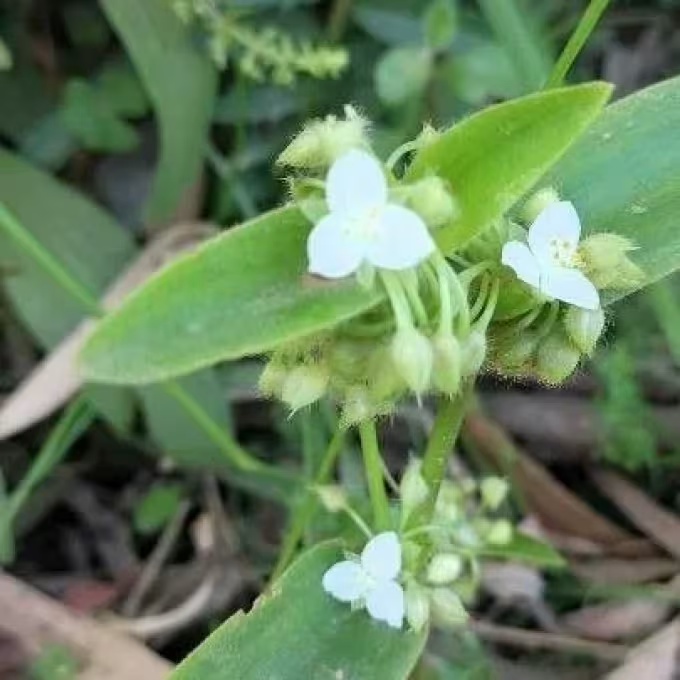
Description
Growing requirements
Tripogandra serrulata is a perennial herbaceous plant belonging to the Commelinaceae family. Native to tropical regions of Central and South America, it thrives in humid and shaded forest environments where it acts as an effective ground cover in the understory.
The botanical structure of this species includes slender, often trailing stems and lanceolate leaves with distinctive serrated margins. This specific leaf morphology provides the plant with its unique aesthetic appeal, making it a popular subject for both indoor and greenhouse cultivation.
In terms of environmental requirements, the plant demands bright, indirect light to maintain its vibrant foliage color. It is highly sensitive to extreme temperatures, preferring a stable, warm climate that avoids both direct sunlight and cold drafts, which can cause significant physiological stress.
Cultivation requires a well-draining, nutrient-rich potting mix that retains moderate moisture without becoming waterlogged. Regular hydration is essential, but proper drainage is critical to prevent the hypoxic conditions that often lead to root rot in these sensitive species.
The primary use of Tripogandra serrulata is ornamental, frequently employed in indoor plant displays, terrariums, and botanical conservatories. Its rapid growth rate and ease of propagation through stem cuttings make it a valuable asset for commercial nurseries and hobbyist gardeners alike.
Main diseases and pests
Common pests affecting the crop include spider mites, mealybugs, and aphids, which thrive in environments where humidity levels are not strictly managed. Frequent inspection of the foliage, particularly the undersides of leaves, is necessary to ensure early detection and prompt intervention.
Fungal diseases are predominantly caused by excessive moisture and poor air circulation. Symptoms such as yellowing leaves or stem softening often indicate the onset of rot, necessitating immediate adjustments to the watering schedule and the application of appropriate cultural control measures.