
Tripogandra multiflora
Tripogandra multiflora
Description
Growing requirements
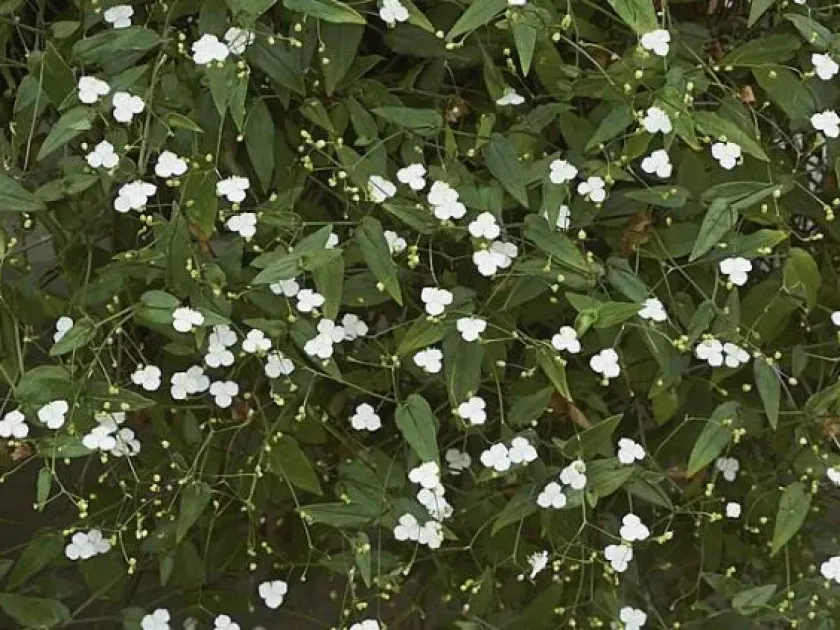
Tripogandra multiflora is a perennial herbaceous plant belonging to the Commelinaceae family. Native to the tropical regions of Central and South America, it is widely recognized for its delicate foliage and clusters of small, white flowers with fuzzy stamens.
In terms of habitat, this plant thrives in warm, humid environments with dappled sunlight. It is essential to protect the plant from harsh direct sunlight, which can quickly cause leaf scorch and dehydration of the tender plant tissues.
The soil requirements for successful cultivation include a well-draining, nutrient-rich potting mix that remains consistently moist but not waterlogged. Adding organic matter to the soil can help improve its structure and nutrient retention capacity.
Agricultural management requires careful attention to irrigation and fertilization. During the growing season, moderate fertilization with a balanced, water-soluble fertilizer supports vigorous growth and consistent flowering throughout the year.
Pruning is an important part of the maintenance routine for Tripogandra multiflora. Regularly pinching back the stems encourages a bushier habit, prevents the plant from becoming leggy, and promotes the development of more flower buds.
Main diseases and pests
The most common pests affecting this culture are spider mites and mealybugs, which tend to flourish in low-humidity environments. Maintaining proper airflow and humidity levels is a preventative measure against these infestations.
Root rot, caused by overwatering and poor soil aeration, represents the primary disease threat for this species. It is crucial to ensure that pots have drainage holes and that the growing medium is allowed to dry slightly between waterings.