
Tripogandra disgrega
Tripogandra disgrega
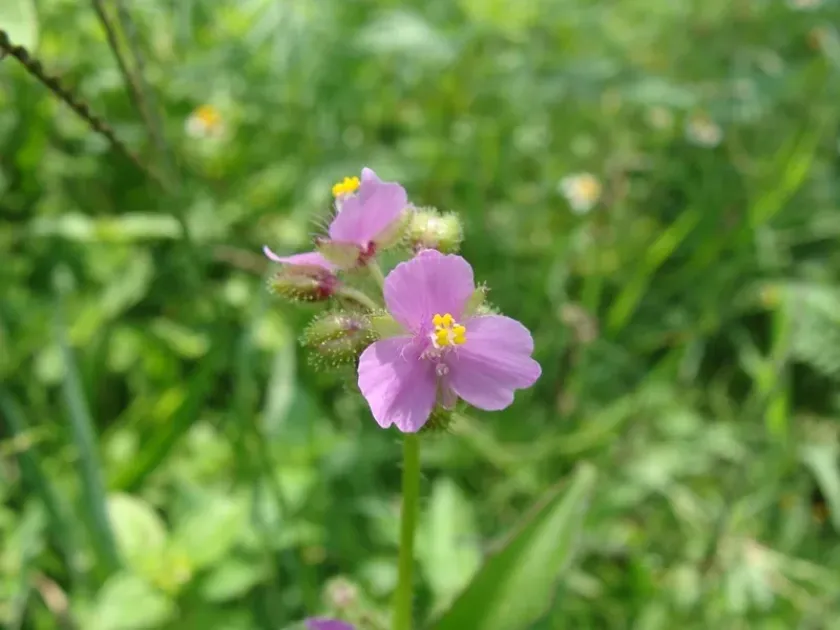
Description
Growing requirements
Tripogandra disgrega belongs to the Commelinaceae family. This perennial herbaceous plant is native to the tropical and subtropical regions of the Americas, thriving primarily in humid, shaded forest environments.
Botanically, it is known for its prostrate or ascending stems that root easily at the nodes. The leaves are typically lanceolate, sometimes exhibiting purple hues on the underside, which enhances its aesthetic appeal as an ornamental plant.
Cultivation requires bright, indirect light to maintain leaf coloration and healthy growth habit. Direct exposure to intense midday sun is usually detrimental, causing leaf scorch, while extremely low light leads to elongated, weak stems.
Soil requirements focus on high organic matter content and excellent drainage. A mix suitable for epiphytes or general indoor plants, amended with perlite or pumice, is ideal to prevent waterlogging and facilitate root aeration.
Climate needs include stable temperatures ranging between 20°C and 25°C. As a tropical plant, it appreciates higher humidity levels, making regular misting or placement in a humid environment beneficial for long-term health.
Main diseases and pests
Typical pests affecting this species include spider mites, mealybugs, and scale insects. These pests often appear when the plant is stressed by low ambient humidity or poor air circulation, necessitating regular inspections.
Root rot and stem rot are the primary pathological threats, usually caused by overwatering or poor drainage. Management involves implementing a strict watering schedule and ensuring that the growing medium is allowed to dry out appropriately.