
Mitchell's Triodia
Triodia mitchellii
Description
Growing requirements
Mitchell's Triodia (Triodia mitchellii) is a perennial grass species belonging to the Poaceae family. It is a classic example of spinifex-type vegetation, highly specialized for the harsh arid environments of the Australian outback.
The species originates from the semi-arid and desert regions of Australia. It thrives in environments where most other graminoid species would perish due to lack of precipitation and intense solar radiation.
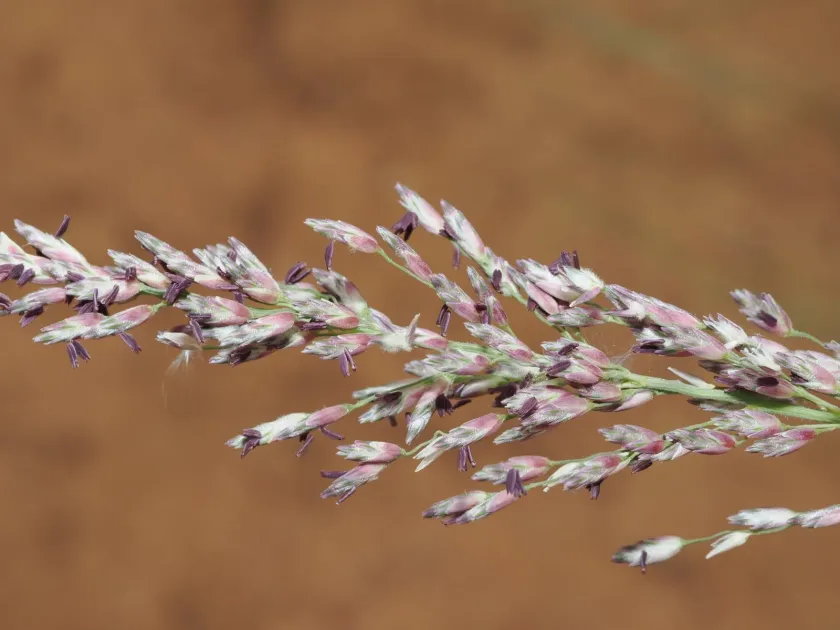
Botanically, it is characterized by dense, tussock-forming growth habits. The leaves are rigid, pointed, and coated with a characteristic resin, which acts as a vital mechanism to prevent water loss through transpiration.
The plant has specific soil requirements, preferring sandy or stony substrates that provide exceptional drainage. It cannot survive in waterlogged or heavy clay soils where aeration is insufficient.
Climatic requirements are focused on high temperature tolerance and extreme drought resistance. It is essentially a xerophyte that has evolved to minimize metabolic activity during prolonged dry spells.
Yield
Agricultural use of Triodia mitchellii is primarily limited to ecological restoration rather than fodder production. Its high resin content makes it unpalatable for most livestock, except when foliage is very young.
The biomass productivity is relatively low, as the plant prioritizes survival and resource conservation over rapid growth. Consequently, it is not considered a high-yield forage crop.
Research is ongoing regarding the industrial application of the resin found on its leaves. It shows potential for use in the manufacturing of adhesives and other specialty bio-based products.
In terms of land management, the main "yield" is the prevention of soil erosion. It acts as an anchor for sandy soils, protecting the landscape from desertification processes.
Successful establishment of the plant requires patience, as the growth cycle is slow and recovery after disturbance can take several seasons.
Main diseases and pests
The primary threat to Mitchell's Triodia populations is fire. While the plant has some fire-adaptive traits, recurrent intense wildfires can severely weaken the rootstock and lead to local extinction.
Fungal diseases are rarely a major issue unless an unusual period of high humidity occurs, which can lead to leaf rot in the dense centers of the grass tussocks.
Pests such as locusts and grasshoppers represent a significant threat during outbreaks, as they can consume the foliage, compromising the plant's ability to store energy.
Overgrazing by feral or domestic animals can cause irreversible damage to the structure of the tussocks, preventing the plant from setting seeds and renewing its population.
Developmental activities, such as mineral exploration and mining in arid regions, frequently lead to the physical removal of the species and destruction of its native habitat.