
Woolly bluecurls
Trichostema lanatum
Description
Growing requirements
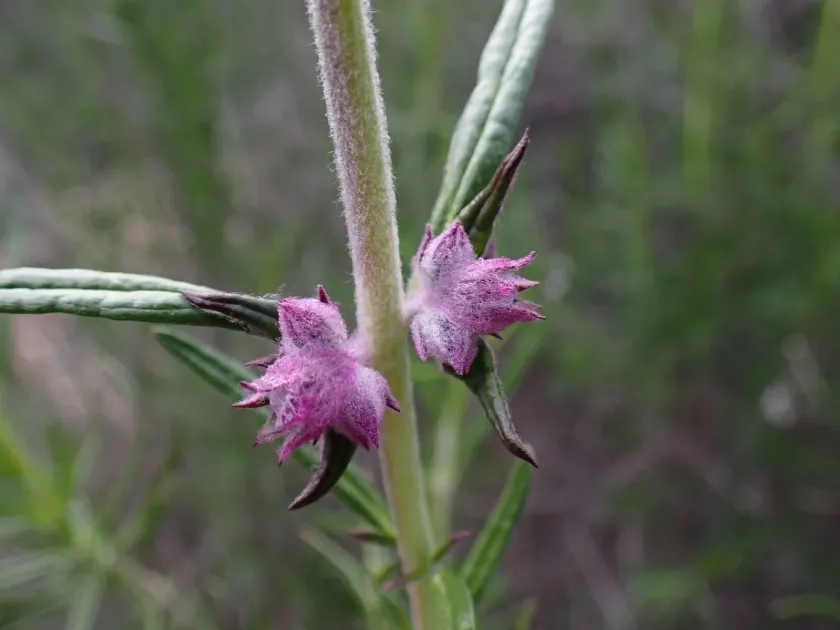
Woolly bluecurls (Trichostema lanatum) is a distinctive perennial shrub belonging to the Lamiaceae family. It is a native species to California, primarily found in dry chaparral regions and rocky hillsides.
This plant thrives in full sun and requires excellent ventilation. It is well-adapted to the Mediterranean climate, characterized by warm, dry summers and mild, somewhat moist winters.
Soil requirements are strictly focused on drainage. The plant performs best in sandy, gravelly, or rocky soils with a neutral to slightly alkaline pH level, preventing root suffocation.
Agricultural management should prioritize the prevention of excess moisture. Watering must be very restricted, especially during the dormant season, to ensure the longevity of the plant structure.
In terms of climate adaptation, it performs best in regions where extreme frost is absent. It is highly resistant to drought once established, making it a sustainable choice for xeriscaping.
Main diseases and pests
The most significant threat to Trichostema lanatum is root disease caused by poor soil drainage. When the soil remains wet, pathogens quickly invade the root system.
While the plant is generally hardy, it can suffer from infestations of aphids during periods of high nitrogen surplus or stress, though such events are rare in native-like environments.
Poor circulation caused by overcrowding can lead to fungal infections. It is vital to maintain appropriate spacing between individual specimens to ensure airflow throughout the shrubbery.
Winter moisture is another critical factor. If the plants are grown in areas with excessive winter rainfall, they must be situated on mounds or slopes to facilitate rapid water runoff.
Finally, incorrect pruning techniques that involve cutting into old, non-foliated wood can lead to poor regeneration and open wounds that are prone to colonization by opportunistic fungi.