
Bluecurls
Trichostema dichotomum
Description
Sowing dates
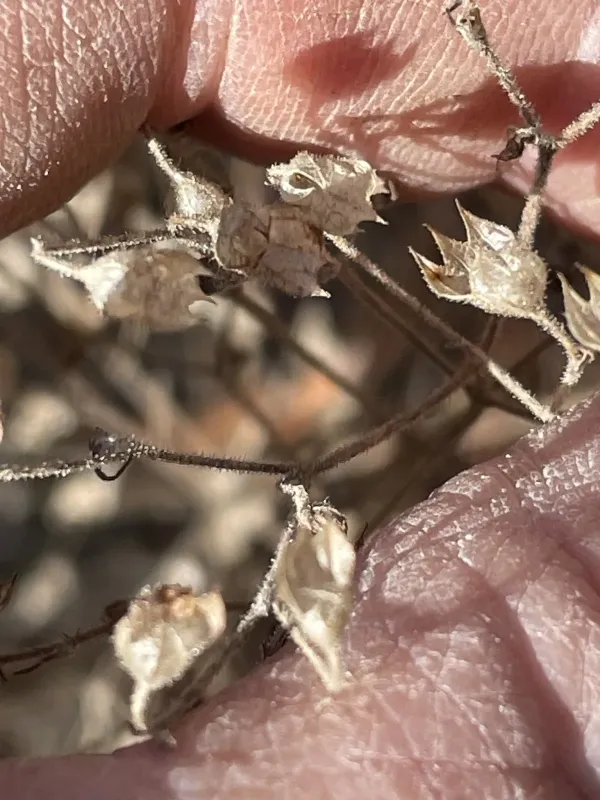
Trichostema dichotomum, commonly known as bluecurls, is an annual herb within the Lamiaceae family. In nature, it propagates through seeds that fall and disperse late in the autumn season, typically following the maturity of the flower capsules.
For agricultural cultivation, seeds should be sown in the spring after the danger of frost has passed and the soil has reached a consistent temperature of approximately 15–18 degrees Celsius. The seeds are small and require a shallow sowing depth of about 0.5 to 1 centimeter.
To improve germination rates, it is often beneficial to cold-stratify the seeds for several weeks. This mimics natural environmental conditions and breaks the innate dormancy period that many Lamiaceae seeds possess.
Row planting is recommended for field production, with spacing maintained at 30–40 centimeters. This density allows for mechanical weeding and ensures that each individual plant has sufficient space to develop its characteristic branching habit.
Consistent soil moisture is vital immediately after sowing. Pressing the soil firmly after the seeds are placed helps in establishing good capillary action, which is essential for uniform emergence of seedlings across the field.
Growing requirements
This species thrives in full sun exposure. While it can tolerate partial shade, maximum flower production and oil content are achieved when the plants receive at least six to eight hours of direct sunlight daily.
Well-drained soil is the most critical requirement for successfully growing bluecurls. Sandy or loamy soils are ideal, as they prevent the water stagnation that can lead to root rot and other moisture-related pathologies.
Although the plant is drought-tolerant once established, supplemental irrigation during the peak growing season ensures higher vegetative biomass, which is often desirable if the crop is intended for herbal or essential oil harvesting.
The optimal temperature range for development is between 20 and 25 degrees Celsius. Extreme heat or prolonged cold periods can disrupt the plant's life cycle, making location selection a key factor in successful crop management.
Nutrient requirements are modest compared to heavy-feeding crops. Applying a balanced organic fertilizer at the beginning of the growth cycle is generally sufficient to support healthy development throughout the season.
Main diseases and pests
Trichostema dichotomum is naturally resistant to many pests due to the high concentration of volatile aromatic compounds and essential oils stored within its foliage, which act as a natural deterrent to common garden insects.
However, environmental stress can compromise this natural defense system. Overwatering or poor drainage often leads to root fungal pathogens, which can rapidly diminish the health of an entire plot if left unchecked.
Powdery mildew is a potential risk, particularly in high-humidity climates or areas with poor air circulation. Ensuring adequate spacing between plants is a primary cultural method used to mitigate this threat.
Weed competition is the most significant hurdle during the seedling stage. Because the initial growth rate of bluecurls is relatively slow, weeds can easily outcompete them for resources, necessitating careful and timely manual or mechanical weeding.
Crop rotation is recommended to avoid the buildup of soil-borne pathogens. Following a legume or a fallow season can help restore soil health and reduce the reliance on chemical pesticides for disease management.