
Pointed Gourd
Trichosanthes dioica Roxb.
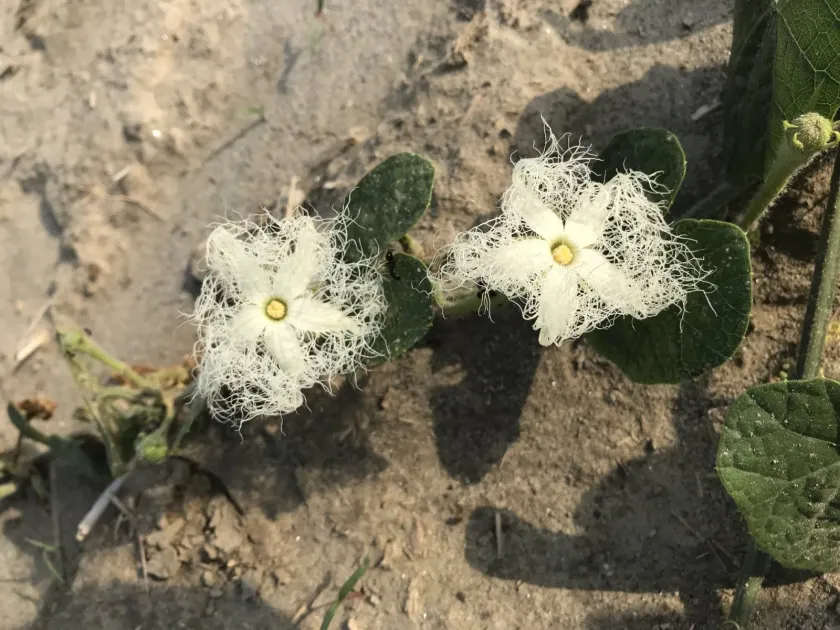
Description
Sowing dates
Pointed gourd (Trichosanthes dioica), commonly known as 'patal' or 'parwal', is a perennial vine belonging to the Cucurbitaceae family. It is a highly valued vegetable crop widely grown in South Asia.
Propagation is typically done through seeds or cuttings, though vine cuttings are often preferred for uniformity. Planting usually takes place during the spring season when temperatures are consistently warm.
For seed germination, a temperature range of 20°C to 25°C is ideal. Seeds should be sown in well-prepared, nutrient-rich soil beds or containers, ensuring they are kept consistently moist until emergence.
As a dioecious plant, having both male and female plants is critical for fruit production. Growers should ensure a proper ratio of roughly one male plant for every ten to fifteen female plants to ensure successful pollination.
Transplanting seedlings to the main field should be done carefully to avoid root disturbance. Spacing must be sufficient to allow the vines to spread and climb their support structures effectively.
Growing requirements
This crop thrives in hot and humid tropical climates. It is extremely sensitive to cold and cannot tolerate frost, requiring temperatures between 25°C and 35°C for optimal vegetative growth.
A well-drained sandy loam soil with a slightly acidic to neutral pH is preferred. Waterlogging must be strictly avoided, as the roots are highly susceptible to decay in saturated soil conditions.
Vertical support, such as trellises or nets, is essential for cultivation. This practice prevents the fruits from touching the soil, which helps in maintaining quality and reducing the risk of ground-borne diseases.
Regular irrigation is vital throughout the growing period, especially during the flowering and fruiting stages. However, the water should be applied near the base of the plant to avoid wetting the foliage excessively.
Nutrient management is key to high yields. Incorporating large amounts of compost or farmyard manure before planting provides a steady supply of nutrients, supplemented by balanced NPK fertilizers during peak growth.
Main diseases and pests
The fruit fly is the most devastating pest for pointed gourd, as it lays eggs inside developing fruits. Managing this pest requires the use of pheromone traps and prompt removal of infested fruits.
Aphids and spider mites are common foliage pests that can weaken the plant. Regular monitoring and the application of neem-based oils or appropriate insecticides are effective control measures.
Fungal diseases like powdery mildew often emerge during spells of high humidity. Improving field ventilation through proper pruning and spacing is a primary preventative measure against such outbreaks.
Viral mosaic infections can cause stunting and poor fruit set. Since these are often spread by whiteflies or aphids, controlling the vector population is essential for maintaining a healthy crop.
Good agricultural practices, such as maintaining a strict crop rotation and using disease-free planting material, are the best defenses against both soil-borne and airborne plant threats.
Harvesting
Harvesting usually begins when the fruits reach their desired size and have a bright green, tender appearance. Harvesting should be performed regularly to ensure fruits do not become over-mature and fibrous.
During the peak harvesting season, fruits should be collected every 3 to 4 days. Frequent harvesting encourages the plant to continue producing new fruits throughout the growing season.
Post-harvest handling requires gentle care as the skin is quite tender. Fruits should be stored in a cool, shaded area with adequate ventilation to maintain their moisture content for a short period.
Pointed gourd is highly versatile in the kitchen, commonly used in curries, soups, and stir-fries. It is known for its mild flavor and ability to absorb the spices and sauces it is cooked with.
Nutritionally, the plant is rich in vitamins, fiber, and various phytochemicals. Traditional systems of medicine also recognize it for its digestive benefits and ability to help regulate glucose levels.