
Snake gourd
Trichosanthes cucumerina L. var. anguina (L.) Haines
Description
Sowing dates
Snake gourd is a heat-loving plant that requires a long growing season to reach full maturity. In temperate regions, sowing in seed trays should begin in late March or early April, ensuring a stable soil temperature of at least 20-22 degrees Celsius.
Seeds should be soaked in warm water or growth stimulants before planting, as they possess a tough seed coat. Seedlings should only be transplanted into open soil or greenhouses once the risk of frost has completely passed and the soil has warmed up significantly.
For direct sowing, it is essential to wait for stable warm weather, as growth is severely stunted if temperatures drop below 15 degrees Celsius. The optimal planting pattern involves a spacing of 60–80 centimeters between plants to allow for proper airflow.
Choose the sunniest site possible, well-protected from cold winds. The plant is highly sensitive to waterlogging, so when planting in heavy soil types, it is necessary to prepare raised beds or incorporate drainage layers.
Trellising or vertical supports are mandatory because the snake gourd is a vigorous climber that naturally seeks height. Growing the fruit vertically ensures straight, uniform development and prevents the deformation that can occur if the fruit touches the ground.
Growing requirements
The snake gourd belongs to the Cucurbitaceae family and is an annual vine originating from the tropical regions of Southeast Asia. The plant thrives in high temperatures, with an optimal range for active growth between 25 and 30 degrees Celsius.
Soils for cultivation must be light, fertile, and exhibit a neutral or slightly acidic pH level. High organic matter content is crucial, so incorporating well-rotted manure or compost into the soil before planting is standard practice for high yields.
Consistent soil moisture is a critical factor for the development of marketable fruit. Regular but moderate watering with warm water is required throughout the growing season, particularly during the intense stem growth and fruit set phases.
This plant is highly sensitive to light cycles and requires long day conditions for successful flowering. In regions with shorter days, the snake gourd may experience developmental delays, which can significantly reduce the overall harvest.
Fertilization should include complex mineral fertilizers, focusing on nitrogen during early growth and phosphorus-potassium blends during the fruiting stage. Regular hoeing of the root zone helps prevent crusting and improves soil aeration for the root system.
Yield
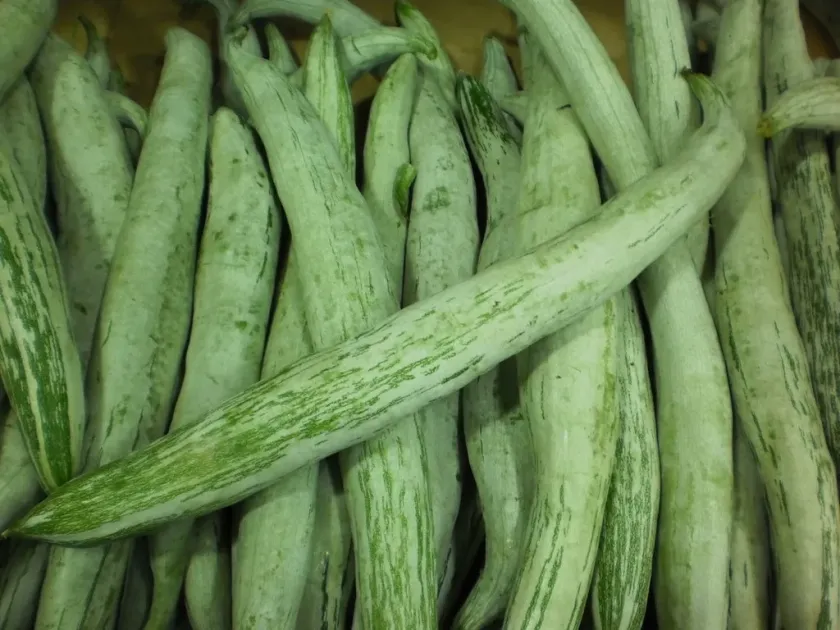
Snake gourd fruits typically reach lengths of 50 to 150 centimeters with a diameter of about 5–8 centimeters. As they mature, the skin changes color from pale green with white stripes to a vibrant red, which signifies biological ripeness.
Yields per plant, under proper agricultural conditions, can range from 5 to 10 full-sized fruits. The use of vertical supports significantly increases the yield of marketable produce by reducing the number of rotted or crooked fruits.
The culinary use of snake gourd primarily involves harvesting young, tender fruits, which have a taste similar to cucumbers or zucchini. In Asian cuisine, the fruit is steamed, stir-fried, added to soups, and the tender leaves are often used as leafy greens.
Harvesting at the technical maturity stage is essential, while the skin remains thin and tender and the seeds are soft. Overripe fruits become fibrous and may develop a bitter flavor, rendering them unsuitable for fresh culinary use.
While the crop has some shelf-life, the fruits lose moisture rapidly in dry air, so they should be stored in a cool, humid environment or consumed within a few days of harvesting to ensure the best quality.
Main diseases and pests
Powdery mildew is the most common threat to snake gourd, especially during periods of fluctuating temperatures and high humidity. Prevention includes applying fungicides and ensuring sufficient spacing between plants to maintain good air circulation.
In greenhouse environments, the crop is frequently attacked by spider mites and melon aphids, which thrive in dry, hot conditions. Regular inspection of the undersides of the leaves allows for early detection of infestations and the timely application of biological control agents.
Root rot can develop if the soil is kept too wet or if drainage is inadequate. This disease leads to the wilting of the entire vine, making it vital to monitor soil moisture levels and ensure the roots do not sit in stagnant water.
Snake gourd is susceptible to viral infections, which are often transmitted by insect pests such as whiteflies or thrips. Controlling the insect vectors and maintaining the overall plant health are the primary strategies for preventing viral outbreaks.
- Preventing powdery mildew with regular bio-fungicide sprays.
- Managing aphids and mites with insecticidal soaps or neem oil.
- Practicing crop rotation to prevent the buildup of soil-borne pathogens.