
Snake gourd
Trichosanthes cucumerina L.
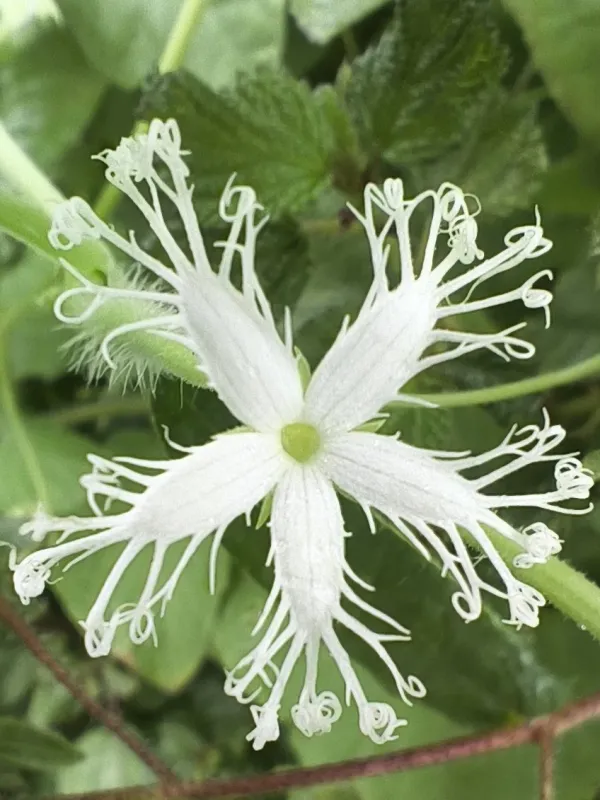
Description
Sowing dates
Snake gourd is a tropical climbing vine that thrives in warm climates. In regions with cooler growing seasons, it should be started indoors in seed trays or biodegradable pots about 4–6 weeks before the last expected frost date.
Seeds have a hard coat and benefit from soaking in warm water for 24 hours before planting. This helps soften the exterior, significantly improving germination rates once they are sown in a warm, moist, and nutrient-rich potting medium.
Once seedlings have developed at least two true leaves and the danger of frost has passed, they can be transplanted into the garden. It is crucial to harden off the plants gradually over a week to prevent transplant shock.
Choose a location that receives full sun, as snake gourd requires at least 6 to 8 hours of direct sunlight daily to grow vigorously. Planting in hills or raised beds can improve soil drainage and soil warming.
When planting, provide a spacing of approximately 90–120 centimeters between plants. Since they are prolific growers, overcrowding can lead to poor air circulation and increased risk of fungal diseases.
Growing requirements
As a member of the Cucurbitaceae family, snake gourd demands high temperatures to reach its full potential. It grows best when daytime temperatures range between 25°C and 35°C, making it an excellent crop for the height of summer.
The ideal soil is fertile, well-draining, and rich in organic matter. Mixing in a generous amount of well-rotted compost or manure into the planting site before sowing will provide the necessary nutrients for the season.
Trellising is an absolute necessity for this crop. Without proper vertical support, the long, snake-like fruits will twist and crawl along the ground, which leads to fruit deformities, rot, and vulnerability to soil-borne pests.
Consistent moisture is key. During hot, dry periods, the plant needs deep watering at the base to keep the soil moist but not waterlogged. Mulching around the base helps retain soil moisture and prevents weed competition.
Feeding the plant with a balanced fertilizer every 3–4 weeks throughout the growth stage will help support continuous vine development and heavy fruit production, especially after the first flowers appear.
Yield
Snake gourd is highly productive, with a single vine capable of producing dozens of fruits during a long, warm season. The vines can grow quite long, often extending up to 3–5 meters, provided they have space to climb.
The fruits are harvested while they are still young and tender, usually when they are between 40 and 60 centimeters in length. At this stage, the skin is smooth and thin, and the flesh is crisp and refreshing.
If left on the vine too long, the fruits become fibrous and develop a bitter taste, and the color will shift to a bright orange-red. While no longer suitable for standard culinary use, these mature fruits are often kept for seed collection.
In culinary applications, snake gourd is a versatile ingredient. It is commonly sliced into stir-fries, curries, or stews. Its mild, cucumber-like flavor pairs well with spices, lentils, and fresh herbs in many traditional cuisines.
Beyond the fruit, the tender leaves and succulent tips are also edible in some traditions, often boiled or sautéed like spinach. This dual-purpose utility makes it a highly valuable vegetable for home gardeners.
Main diseases and pests
Powdery mildew is the most common fungal issue for snake gourd, appearing as a white, dusty growth on the leaf surfaces. It thrives in high humidity and is best managed through proper spacing and good ventilation.
Pests like fruit flies can be particularly damaging, as they lay eggs in the developing gourds. Using protective netting or paper bags to cover young fruits is an effective organic method to prevent fly infestation.
Aphids and spider mites may attack the foliage, especially during hot, dry spells. Keeping the plants well-watered and using neem oil sprays can help keep these insect populations under control without harming the crop.
Root rot and wilt can occur if the soil remains excessively wet or if drainage is poor. Ensuring that the planting site is elevated and the soil structure is friable will significantly reduce these risks.
Maintaining a strict three-year crop rotation schedule is essential. Avoid planting snake gourd or any other cucurbits in the same area consecutively to minimize the accumulation of soil-borne pathogens and pests.
Harvesting
Harvesting usually begins about 60 to 80 days after sowing. Because the fruits grow very rapidly, especially in high heat, it is recommended to check the vines daily to pick the fruits at their peak tenderness.
Use sharp pruning shears to cut the fruit stem cleanly. Pulling the fruit off by hand can damage the fragile main vine and potentially stunt the growth of other nearby developing gourds.
Post-harvest life is relatively short, typically lasting 3–5 days in the refrigerator. To maximize shelf life, store them in a cool, humid environment. They can also be sliced and blanched for freezer storage.
For gardeners interested in seed saving, allow at least one or two fruits to fully ripen on the vine until the skin turns deep red. This indicates the seeds inside are fully mature and ready for extraction.
After extracting seeds from a fully ripened fruit, wash them thoroughly to remove pulp, let them air-dry in a shaded area, and store them in an airtight envelope in a cool, dark place for the next season.