
Torenia concolor
Torenia concolor Lindl.
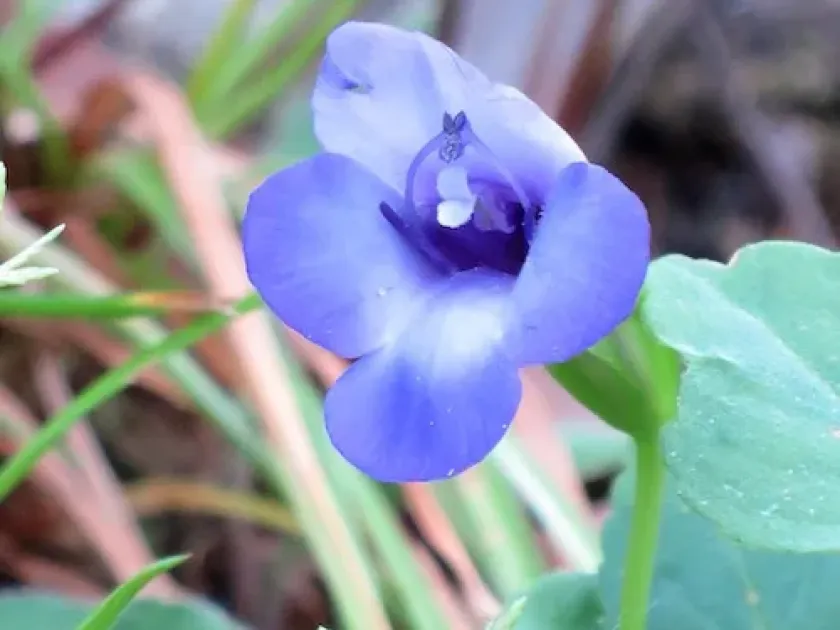
Description
Sowing dates
Torenia concolor is a member of the Phrymaceae family, originating from tropical Asia. In temperate climates, this species is treated as an annual, typically started from seeds indoors.
Seeds should be sown in late winter or early spring using a sterile, well-draining seed-starting mix. The tiny seeds require light for germination, so they are pressed into the soil surface rather than covered.
Maintain consistent moisture and temperatures between 22°C and 25°C. Using a plastic cover helps sustain the required humidity during the initial germination phase, which usually lasts two weeks.
Once true leaves appear, seedlings should be moved to a brighter location to prevent stretching. Pruning the growing tips helps encourage branching, creating a fuller and more vigorous plant.
Transplanting to the garden should only occur after all frost risks have passed. Torenia thrives when acclimated gradually to outdoor conditions before final planting.
Growing requirements
Torenia concolor prefers partial shade conditions. Exposure to intense midday sunlight can scorch the foliage and significantly reduce the flower production period.
The soil must be rich in organic matter, consistently moist, and well-aerated. It is crucial to ensure excellent drainage to prevent the root zone from becoming waterlogged.
Regular fertilization with a balanced liquid fertilizer is necessary throughout the growing season to support continuous blooming. A potassium-rich formula helps improve flower quality.
Torenia is sensitive to dry air and wind. Providing a sheltered environment, such as a patio or a spot under light tree cover, helps maintain the humidity level the plant requires.
Consistent irrigation is vital. The plant should not be allowed to wilt; however, water should be applied to the base of the plant to avoid keeping the foliage constantly wet.
Main diseases and pests
Root rot caused by Pythium or Phytophthora is the most common issue, usually stemming from overwatering and compacted soil that lacks proper drainage systems.
Powdery mildew may manifest as a white, dusty growth on leaves during periods of high humidity and poor air circulation. Spacing plants adequately helps mitigate this risk.
Common pests include aphids, which cluster on succulent new growth, and spider mites, which are particularly prevalent in hot, dry weather conditions.
Integrated pest management, including regular inspection and the use of insecticidal soaps, is effective in keeping infestations under control before they cause significant damage.
If fungal infections persist, professional fungicides targeting specific pathogens should be applied according to the label instructions to protect the overall plant health.