
Tillandsia santiagoensis
Tillandsia santiagoensis
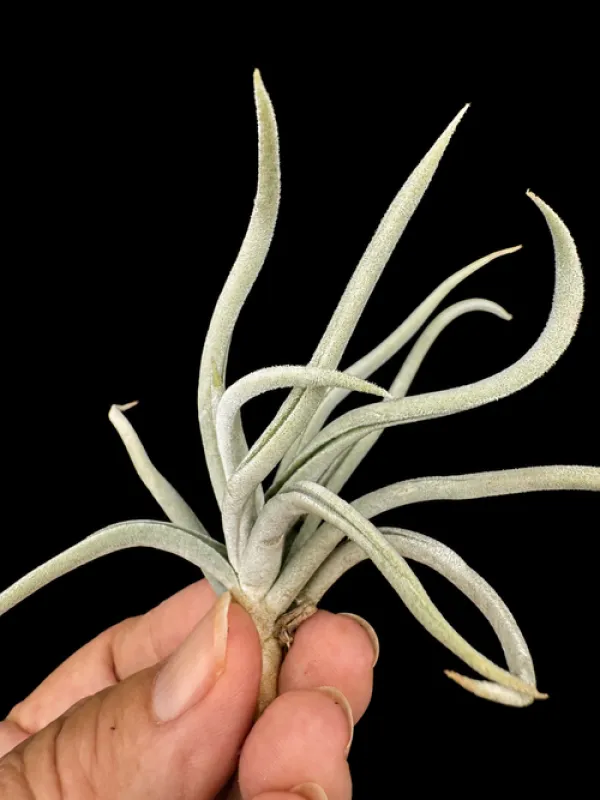
Description
Growing requirements
Tillandsia santiagoensis is a distinct species within the Bromeliaceae family, known for its specialized adaptations to an epiphytic lifestyle. These plants derive their structural support from tree branches in their native habitats, rather than soil.
The core requirement for this species is high atmospheric humidity, combined with excellent air circulation to mimic the conditions of a tropical canopy. Stagnant air is the primary cause of physiological decline in this plant.
Light intensity should be managed carefully; bright, filtered light is ideal for maintaining the plant's health. Excessive exposure to direct solar radiation can damage the foliage and disrupt the transpiration process.
Cultivation involves mounting the plant on porous materials like cork or driftwood. This setup ensures that the plant does not sit in excess moisture, which is vital for preventing root and crown rot.
Nutrient uptake occurs primarily through the leaf surfaces, which feature specialized cells known as trichomes. Feeding should be done using diluted liquid fertilizers designed for bromeliads, applied sparingly during the growing season.
Main diseases and pests
The most significant threat to Tillandsia santiagoensis is water accumulation in the crown of the plant, which often leads to rapid bacterial or fungal decomposition.
Scale insects and mealybugs represent the main pest threats, as they can hide in the leaf axils, making them difficult to detect until an infestation is well established.
Inadequate ventilation combined with high humidity levels frequently results in fungal spotting on the leaves, necessitating immediate environmental adjustments.
Spider mites are common pests that thrive in dry conditions; therefore, maintaining appropriate environmental moisture is the best primary line of defense against these insects.
Treatment for infections or infestations should focus on gentle removal and, if necessary, the application of specialized horticultural soaps that are safe for epiphytic bromeliads.