
Tillandsia oerstediana
Tillandsia oerstediana
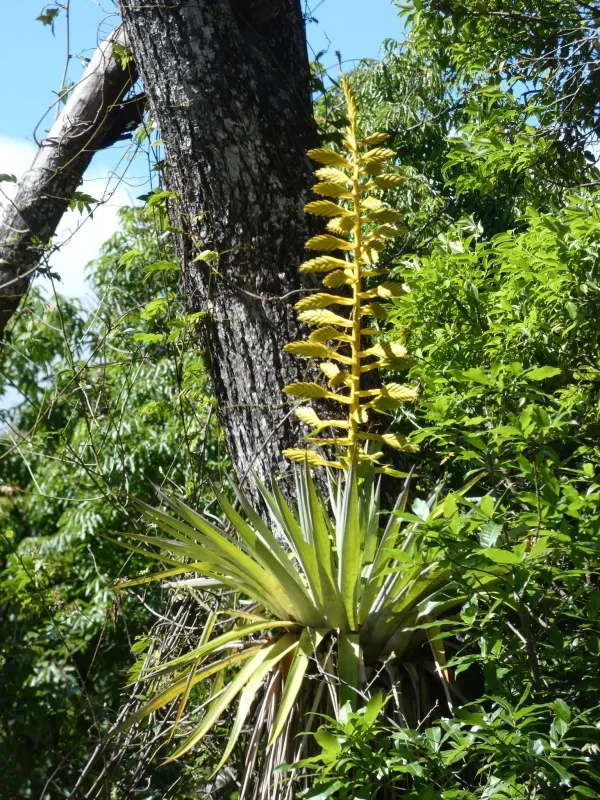
Description
Growing requirements
Tillandsia oerstediana is a prominent member of the Bromeliaceae family. Native to the cloud forests of Central America, this epiphyte thrives in high-altitude environments, attaching itself to the bark of host trees within moist canopy ecosystems.
The cultural requirements for this plant focus heavily on humidity and air circulation. It requires an ambient humidity level of at least 70–80% to function optimally. In an agricultural setting, maintaining this level through misting systems or automated climate controllers is essential.
Light intensity plays a critical role in the growth and color development of the plant. It prefers bright, indirect sunlight, as direct exposure can cause chlorophyll degradation and leaf tissue burning. Using 30–50% shade cloth is standard practice in professional nurseries.
Temperature management should mimic the tropical highland climate. Diurnal temperatures ranging from 20°C to 25°C are ideal, with a slight drop at night to 15°C to facilitate physiological processes and proper respiration of the leaf tissues.
As an epiphyte, its root system serves primarily as an anchor rather than a nutrient-uptake organ. The growing medium must be composed of coarse, fast-draining materials like pine bark, perlite, and charcoal to ensure the root zone remains aerobic and free from compaction.
Main diseases and pests
The most significant threat to the health of Tillandsia oerstediana is crown rot, caused by trapped moisture within the leaf rosette. This is exacerbated by stagnant air, making active ventilation systems a mandatory investment for large-scale production.
Mealybugs pose a persistent challenge in greenhouse environments. These pests reside deep within the crevices of the rosette, where they feed on sap. Integrated pest management, including the use of systemic insecticides, is required to maintain plant quality.
Scale insects are another common pest that damages the structural integrity of the leaves. Regular scouting programs are necessary to identify outbreaks before they reach critical levels, ensuring that chemical treatments are applied only when economically justified.
Spider mites may proliferate during periods of low relative humidity. Preventive measures include regular misting and maintaining optimal environmental parameters to create conditions unfavorable for mite reproduction and colony expansion.
Mineral stress is a non-pathogenic threat arising from the use of hard water or excessive fertilization. High salt concentrations lead to the clogging of trichomes—the specialized leaf structures responsible for water and nutrient absorption—which can lead to gradual plant decline.