
Tillandsia myosura
Tillandsia myosura
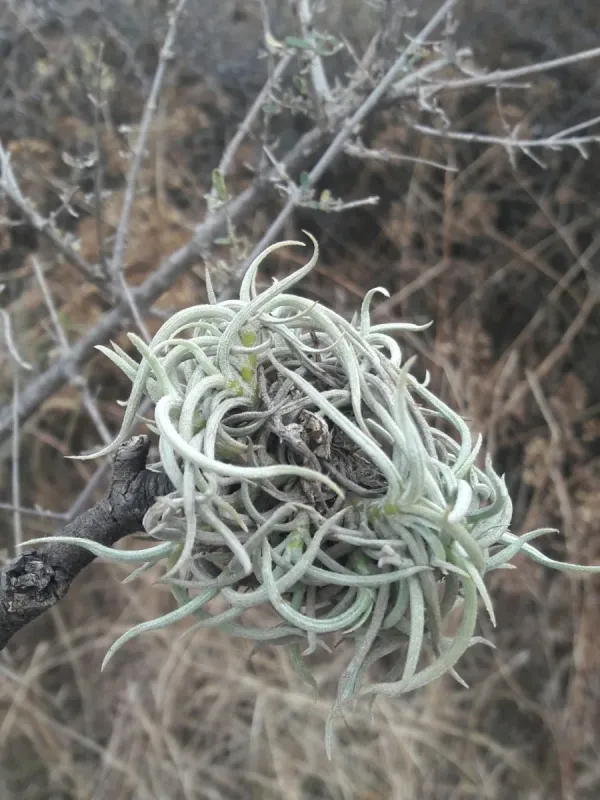
Description
Growing requirements
Tillandsia myosura is a distinct epiphyte belonging to the Bromeliaceae family. Native to the mountainous regions of South America, this species has evolved to thrive in environments with low nutrient availability and high exposure to wind and fluctuating temperatures.
As an atmospheric air plant, it lacks traditional roots used for soil anchorage and nutrient uptake. Instead, its surface is covered with specialized peltate scales called trichomes, which are responsible for absorbing atmospheric moisture and nutrients.
Successful cultivation requires a bright location with filtered light. While the plant can tolerate some morning sun, excessive exposure to direct sunlight can damage the leaves, reducing their ability to maintain water balance.
Optimal growth conditions involve a consistent, moderate humidity level. Growers should ensure that the plant receives adequate air movement to dry out the leaves relatively quickly after irrigation, preventing internal rot.
Temperatures should mimic the natural cycle of its habitat, ideally ranging from 20°C to 25°C during the day. Nighttime temperature drops are essential to allow the plant to conduct Crassulacean Acid Metabolism (CAM) effectively.
Main diseases and pests
The primary threat to Tillandsia myosura in an agricultural or greenhouse setting is root and crown rot, typically caused by water accumulating in the plant's center for prolonged periods.
Mealybugs are a common pest that finds shelter between the densely packed leaves. Their presence can significantly weaken the plant, making it prone to opportunistic infections.
Spider mites are another frequent nuisance, especially in environments where humidity is improperly managed. These pests can rapidly damage the plant's foliage, leading to dehydration.
Scale insects can also infest the plant, creating hard, protective bumps on the leaves and stems that extract sap and reduce the plant's overall vigor.
Integrated pest management strategies should focus on preventive measures, including proper spacing to ensure ventilation and the use of targeted biological or chemical control agents when infestations occur.