
Tillandsia mallemontii
Tillandsia mallemontii
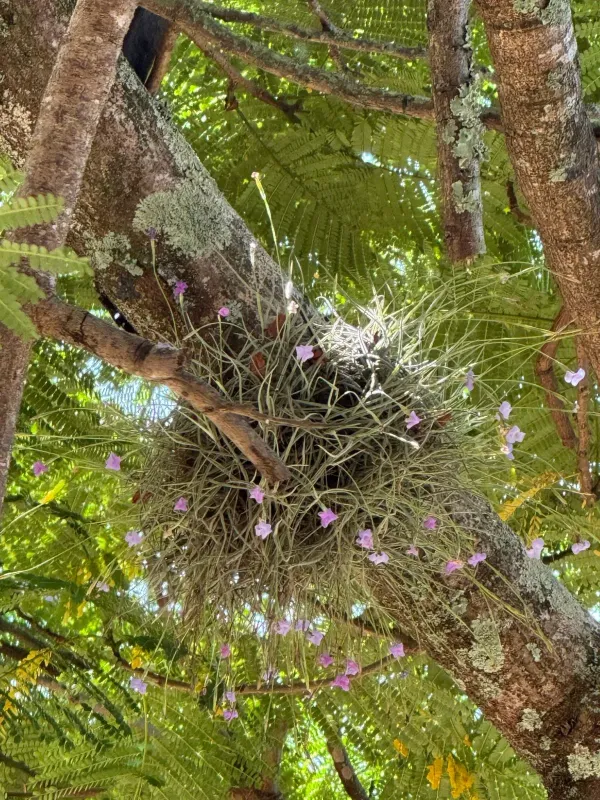
Description
Growing requirements
Tillandsia mallemontii is a distinct epiphytic species belonging to the Bromeliaceae family. Originating from the humid forests of South America, specifically Brazil, this plant has adapted to survive by anchoring itself to tree branches rather than rooting in the soil.
As an atmospheric tillandsia, it possesses specialized trichomes — microscopic scales on the leaf surface. These structures serve as the primary organs for water and nutrient absorption, allowing the plant to thrive in high-humidity canopy environments.
Successful cultivation requires a stable humidity level, ideally between 60% and 80%. In an indoor setting, this is best achieved through daily misting with filtered water or by keeping the plant in a terrarium with controlled microclimate conditions.
Light requirements for this species include bright, indirect sunlight. Exposure to harsh afternoon sun can desiccate the foliage, while insufficient light levels will hinder the plant’s ability to photosynthesize and maintain its silvery appearance.
The optimal temperature range is between 18°C and 25°C. Tillandsia mallemontii is sensitive to cold drafts and extreme temperature fluctuations, which can cause significant stress to the plant and lead to premature leaf drop or stunted growth.
Main diseases and pests
The most common threat to Tillandsia mallemontii is moisture management failure. If the foliage stays waterlogged for an extended period, particularly in the leaf axils, it often leads to crown rot or fungal infections that are difficult to cure.
Pests such as mealybugs and spider mites are frequent adversaries of this plant. These insects hide in the tight clusters of leaves, making them difficult to detect and eradicate without thorough and frequent inspections.
To control these pests, horticultural oils or mild insecticidal soaps are recommended. It is crucial to test any treatment on a small portion of the plant first, as tillandsias can be sensitive to chemical residues and oil-based sprays.
Good air circulation is the best preventative measure against diseases. A constant supply of fresh air keeps the plant dry between waterings and prevents the development of mold, which often thrives in stagnant, humid environments.
Finally, keeping the plant clean from household dust is essential for its health. Accumulated dust blocks the trichomes, which prevents the plant from absorbing nutrients and moisture from the air, effectively starving the tillandsia over time.