
Tillandsia lorentziana
Tillandsia lorentziana
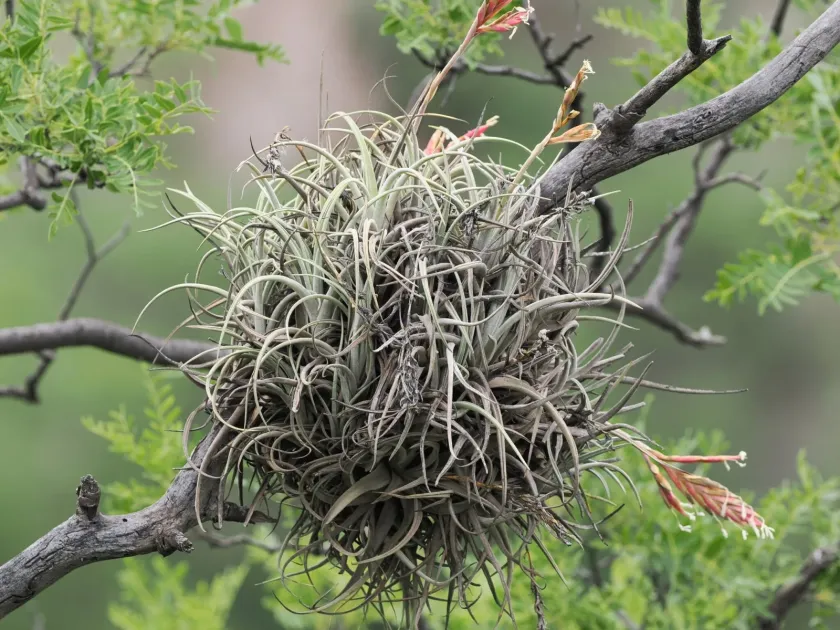
Description
Growing requirements
Tillandsia lorentziana is an epiphytic herbaceous plant belonging to the Bromeliaceae family. Native to the subtropical forests of South America, particularly Argentina and Bolivia, this species has evolved to thrive attached to tree branches and rocky outcrops, rather than growing in traditional soil substrates.
The plant exhibits unique botanical adaptations, specifically specialized trichomes on its leaves that allow it to absorb moisture and minerals directly from the atmosphere. Consequently, success in cultivation depends heavily on maintaining an ambient humidity level of 60–80% and ensuring adequate air circulation.
Regarding climate, Tillandsia lorentziana prefers bright, indirect light. Direct sunlight should be avoided, as it can desiccate the foliage and cause severe cellular damage. Optimal growing temperatures range from +20 °C to +25 °C during the day, with slightly cooler temperatures at night to support its metabolic cycle.
Agronomic management involves regular misting with distilled or soft water. It is critical to ensure that water does not remain trapped in the rosette base for extended periods to prevent anaerobic conditions. Occasional immersion in water for short durations can also be used, provided the plant is dried thoroughly afterward.
Industrially and commercially, this species is highly valued for vertical landscaping and high-end botanical displays. Its ability to grow without soil makes it a premier choice for modern biophilic design, interior plantscaping, and the creation of specialized tropical terrariums or vivariums.
Main diseases and pests
The primary threats to Tillandsia lorentziana are fungal infections resulting from poor ventilation and excessive moisture. Pathogens often colonize the center of the rosette when water remains stagnant, leading to rapid tissue decay and eventual loss of the plant specimen.
Insect pests, particularly mealybugs and scale insects, frequently pose a threat by colonizing the tight crevices between leaves. Their feeding activities weaken the plant, extract essential nutrients, and facilitate the growth of sooty mold, which impairs the plant's photosynthetic efficiency.
Spider mites are common when environmental humidity is not properly managed. An infestation manifests as silvery webbing and leaf discoloration, significantly reducing the ornamental value of the culture. Early detection via routine physical inspection is the most effective management strategy.
Biological control methods are preferred for this species. Using mild insecticidal soaps or neem oil, applied in low concentrations, is often effective without harming the sensitive leaf structures. It is crucial to avoid heavy chemical sprays that contain metals like copper, which can be toxic to bromeliads.
To ensure long-term health, growers must prioritize environmental hygiene. Keeping the growing area clean, maintaining proper airflow, and ensuring the plant can dry out completely between hydration cycles are the most effective cultural practices for preventing disease outbreaks in this crop.