
Tillandsia kammii
Tillandsia kammii
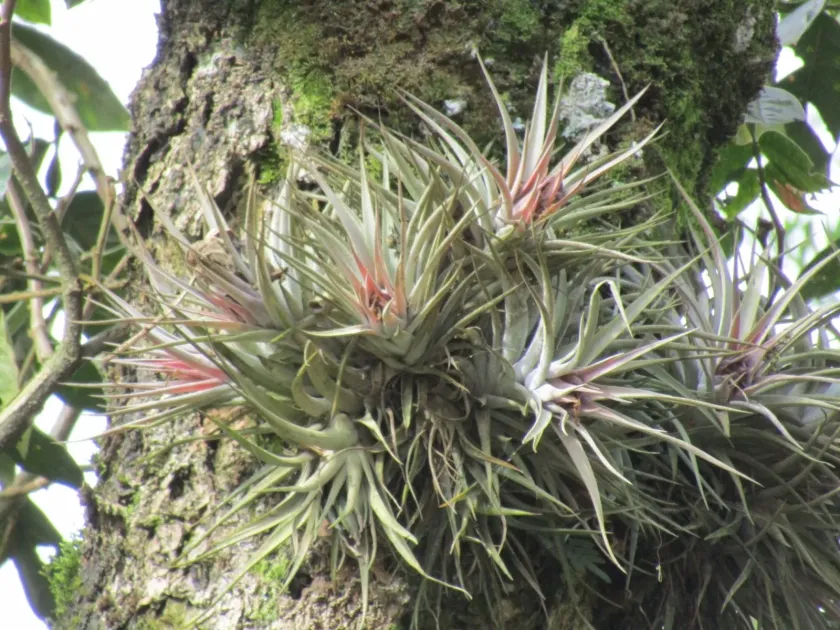
Description
Growing requirements
Tillandsia kammii is a distinct species belonging to the Bromeliaceae family, widely recognized for its xerographic nature. As an atmospheric epiphyte, it does not utilize traditional roots to extract nutrients from soil, but rather absorbs minerals and moisture from the air through specialized leaf hairs called trichomes.
The plant is native to Mexico, where it thrives in mountainous terrains and rocky cliffs. These environments provide the plant with consistent airflow, high light exposure, and significant temperature fluctuations between day and night, which are essential for its metabolic health.
Botanically, Tillandsia kammii is characterized by a compact, symmetrical rosette of silvery-grey leaves. During its bloom cycle, the plant produces a short, distinct pink inflorescence that stands out against the muted tones of the foliage, making it a highly sought-after plant for hobbyists.
Cultivation requirements focus heavily on light and airflow. It thrives in bright, indirect light conditions. To maintain its silvery color, adequate lighting is crucial, while the airflow prevents moisture from stagnating within the leaf axils, which is a common cause of failure in domestic conditions.
Watering protocols involve regular misting with distilled or rainwater, or a brief submersion in water once or twice a week. It is imperative that the plant is placed in an area with good ventilation to ensure complete drying within a few hours after any watering procedure to prevent fungal growth.
Main diseases and pests
The primary threats to Tillandsia kammii are fungal infections and bacterial soft rot. These diseases are almost exclusively caused by overwatering or inadequate air circulation, which prevents the leaf structure from drying out after hydration, leading to rapid tissue death.
Pest management is also vital, as mealybugs and scale insects often harbor within the dense trichomes of the leaves. These pests are difficult to detect early, so regular inspections are recommended to apply targeted control measures before an infestation compromises the plant's health.