
Tillandsia jonesii
Tillandsia jonesii
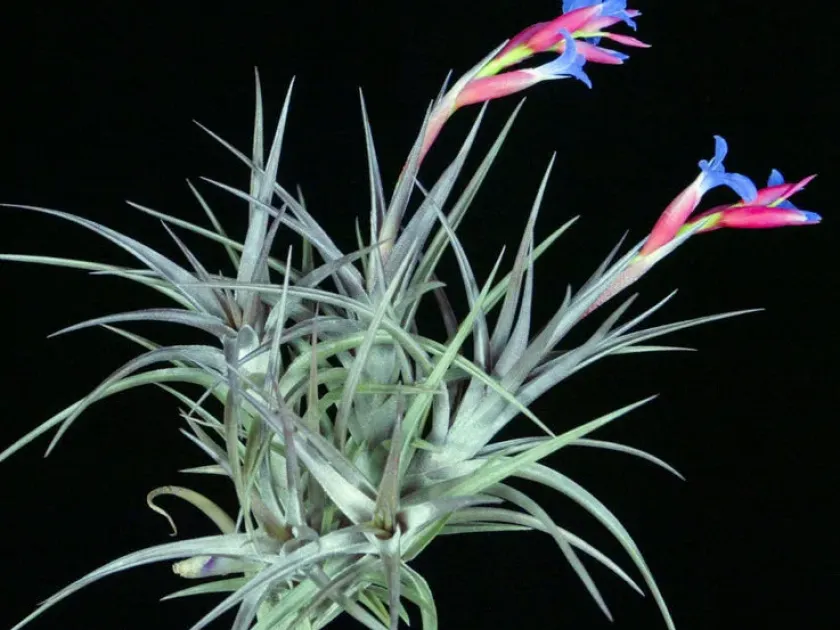
Description
Growing requirements
Tillandsia jonesii is a unique epiphytic species belonging to the Bromeliaceae family. Native to the tropical environments of South America, this plant does not require soil, as it derives moisture and nutrients directly from the ambient air and atmospheric precipitation.
The climate requirements for Tillandsia jonesii focus on consistency. It thrives in temperatures between +18°C and +24°C. Excessive cold or sudden thermal fluctuations should be avoided, as the plant is sensitive to frost and heat stress.
Light intensity plays a critical role in the plant's physiological development. Bright, filtered sunlight is optimal. Direct solar exposure, especially during midday, can damage the foliage by dehydrating the leaf tissues rapidly.
Humidity management is the cornerstone of successful maintenance. In dry climates, the plant requires daily misting with soft or distilled water. High humidity levels prevent the edges of the leaves from drying out and maintain the plant's vibrant appearance.
Regarding substrate, the plant must be mounted on organic supports. Suitable materials include cork bark, driftwood, or trellis structures that allow air to circulate freely around the base, preventing rot and encouraging healthy gas exchange.
Yield
The primary use of Tillandsia jonesii is in the ornamental plant industry. It is highly valued for its aesthetic appeal in interior design, terrariums, and botanical exhibitions, making it a niche but profitable plant for specialty nurseries.
The reproduction yield is dictated by the production of offsets (pups). Under healthy growth conditions, the mother plant will produce several offsets after flowering, which can be harvested once they reach approximately one-third of the parent's size.
Main diseases and pests
The most significant disease threats are fungal and bacterial infections caused by water accumulation at the base of the leaves. Proper air movement is essential to ensure the plant dries within a few hours after watering.
Pest management involves regular monitoring for common indoor pests such as scale insects and mealybugs.
- Quarantine new plants.
- Remove pests manually if the infestation is minor.
- Apply specialized horticultural oils or insecticidal soaps.