
Tillandsia grao-mogolensis
Tillandsia grao-mogolensis
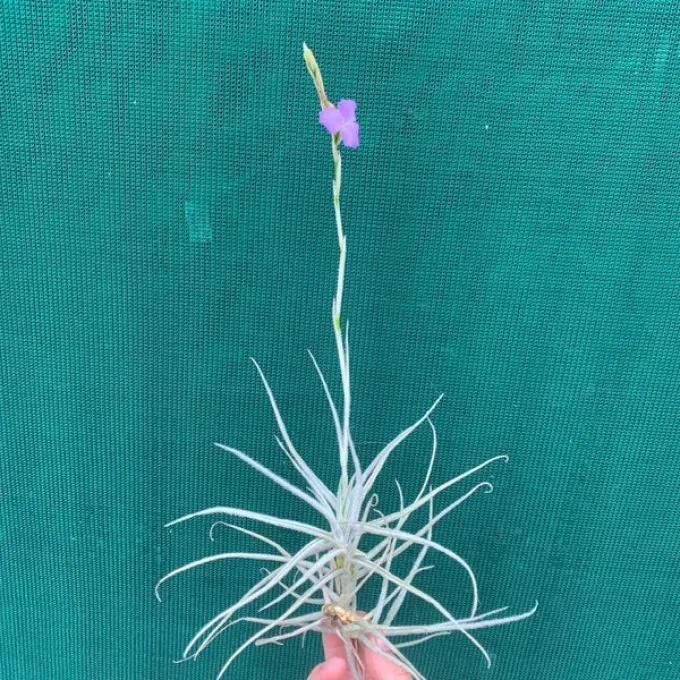
Description
Growing requirements
Tillandsia grao-mogolensis is a remarkable species belonging to the Bromeliaceae family. Originating from the mountainous regions of Brazil, this lithophytic and epiphytic plant has evolved unique survival mechanisms to thrive in rocky, high-altitude habitats where moisture is primarily absorbed from the atmosphere.
To cultivate this plant successfully, one must replicate its natural environmental conditions. It requires bright, indirect light to maintain its structural integrity and vibrant appearance. Exposure to direct harsh sunlight must be avoided to prevent thermal stress and foliar damage.
Temperature management is vital, with an ideal range between 18°C and 26°C. The species is sensitive to extreme temperature fluctuations and requires excellent air circulation to prevent the moisture trapped in its leaf rosettes from stagnating, which could lead to physiological decline.
When selecting a mounting medium, growers should opt for high-quality pine bark, charcoal, or specialized epiphytic mixes. The substrate must ensure maximum aeration for the roots, as the root system is primarily used for physical anchoring rather than significant water uptake.
Irrigation should be performed using filtered or rainwater. Misting the foliage or submerging the plant briefly in water allows the trichomes to absorb necessary moisture. It is crucial to allow the plant to dry out sufficiently between watering sessions to avoid root rot.
Main diseases and pests
The primary pathological threats to Tillandsia grao-mogolensis are fungal infections such as root and crown rot, typically exacerbated by poor ventilation and excessive moisture. Monitoring the base of the rosette is essential for early detection of soft rot symptoms.
Pest management focuses largely on spider mites and mealybugs. Spider mites thrive in environments with low humidity, causing fine webbing and discoloration on the foliage. Mealybugs, on the other hand, hide in tight leaf crevices, extracting nutrients and weakening the plant structure.
Integrated pest management involves physical removal of visible insects using a soft brush and the application of neem oil or targeted organic insecticides. Chemical control should be used cautiously, ensuring that the specific sensitivity of the bromeliad species is taken into account.
- Maintain constant airflow to discourage fungal spores.
- Isolate infested specimens to prevent cross-contamination.
- Avoid over-fertilization, as excess nutrients can attract pests.
Long-term health depends on maintaining a clean growing environment and adhering to the seasonal physiological rhythms of the plant. During the dormant winter period, watering frequency should be reduced, and fertilization should be suspended entirely to prevent stress.