
Tillandsia fresnilloensis
Tillandsia fresnilloensis
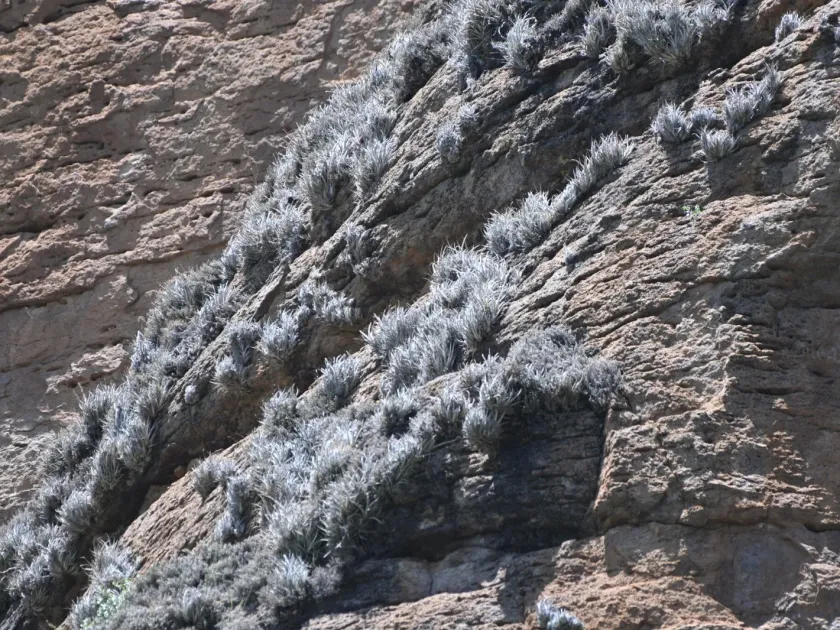
Description
Growing requirements
Tillandsia fresnilloensis is a miniature species belonging to the Bromeliaceae family, native to the arid mountainous regions of Zacatecas, Mexico. It is classified as an atmospheric or xeric-type tillandsia, characterized by its reliance on air-borne moisture.
The plant features a dense, rosette-like structure covered in silver trichomes. These microscopic scales are essential for survival, allowing the plant to absorb dew and nutrients from the atmosphere while minimizing water loss through evaporation in its harsh, dry habitat.
Optimal growth requires high light levels, preferably bright indirect sunlight. In indoor cultivation, placing the plant near a south-facing window is often beneficial, provided that the intensity of the light is managed to prevent scorching the delicate foliage.
Agricultural techniques for this species differ significantly from traditional crops as it does not require soil. Instead, it should be mounted on inert materials such as cork bark or driftwood, which allow for rapid drying after misting or soaking.
Temperature management is vital: the plant thrives in conditions that mimic its high-altitude native environment. It prefers temperate days and cooler nights, which trigger metabolic processes essential for healthy growth and potential blooming.
Main diseases and pests
The most significant threat to Tillandsia fresnilloensis is rot caused by poor air circulation. When moisture trapped in the heart of the rosette does not evaporate quickly enough, it leads to bacterial or fungal decay that can rapidly destroy the plant.
Mealybugs are the most common pests encountered in cultivation. Their white, waxy secretions can easily blend into the silvery trichomes, making them difficult to detect until the infestation is advanced.
Spider mites may also pose a problem, particularly in environments with low humidity. These pests feed on the cellular sap, leading to discoloration and a decline in the plant's overall vitality and aesthetic appeal.
Water quality is a major environmental factor affecting the plant's health. The accumulation of mineral deposits from tap water can clog the trichomes, preventing the plant from functioning correctly, which eventually causes it to starve.
To prevent disease, growers should ensure that the plant is allowed to dry completely within four hours after watering. Providing consistent airflow is the best preventive measure against the pathogens that thrive in stagnant, humid conditions.