
Tillandsia festucoides
Tillandsia festucoides
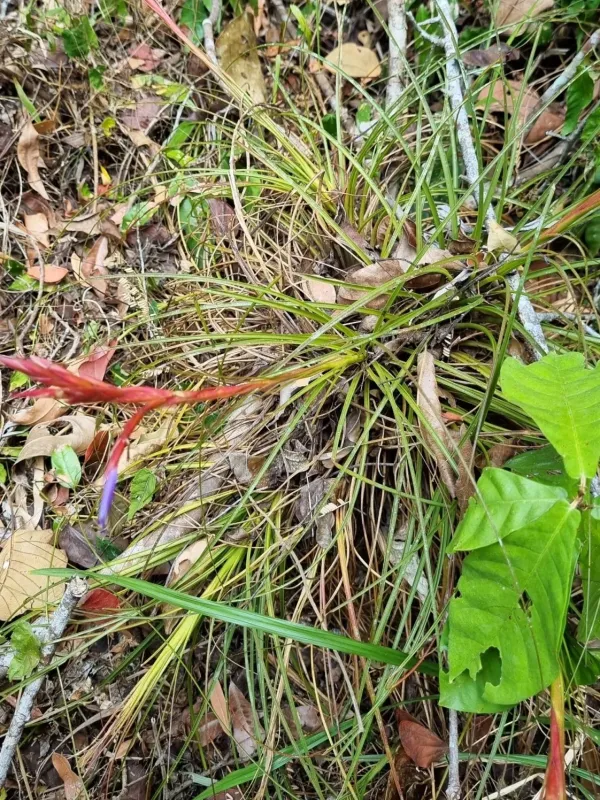
Description
Growing requirements
Tillandsia festucoides is a distinctive member of the Bromeliaceae family, widely recognized as an atmospheric epiphyte. Originating from the tropical regions of the Americas, this species naturally grows on tree branches, effectively utilizing its specialized foliage to collect moisture and nutrients from the environment.
Botanically, it is characterized by its slender, stiff leaves arranged in a dense, grass-like rosette. Its morphology is designed for survival in canopy environments, featuring a high density of trichomes — tiny scales that absorb water and minerals directly from the atmosphere.
Successful cultivation requires high ambient humidity, ideally between 60% and 80%. As an air plant, it thrives best with bright, filtered sunlight; exposure to direct, harsh solar radiation can damage the leaf tissues and lead to severe dehydration.
Climate control is crucial, with temperatures maintained consistently between 18°C and 25°C. Proper air circulation is mandatory, as it prevents moisture accumulation in the core of the rosette, which is the primary cause of physiological stress in this species.
A typical maintenance routine involves soaking the plant in lukewarm, chlorine-free water for 20 minutes on a weekly basis. After soaking, it is essential to shake off excess water and place the plant in a well-ventilated area to ensure the center dries completely within a few hours.
Main diseases and pests
Common pests affecting Tillandsia festucoides include mealybugs and scale insects. These pests often hide deep within the leaf axils, making them difficult to detect early; regular inspection of the base of the rosette is necessary for effective management.
The most frequent health issue is rot caused by water stagnation. When the plant remains wet for extended periods, especially in low light or cool temperatures, fungal pathogens proliferate, leading to the rapid decay of the entire structure.
- Avoid over-misting at night to prevent moisture pooling.
- Ensure adequate vertical or horizontal air movement.
- Use mineral-poor or rainwater for irrigation to prevent chemical burns.
Environmental stress, such as prolonged drought or intense heat, can weaken the plant's natural defenses, making it susceptible to opportunistic bacterial infections. Symptoms often include browning tips or a loss of leaf turgor that does not recover after watering.
Effective pest control can be achieved through manual removal using cotton swabs dipped in diluted rubbing alcohol. In cases of severe infestation, systemic insecticides specifically formulated for epiphytic plants should be applied, ensuring thorough coverage of all leaf surfaces.