
Tillandsia elizabethae
Tillandsia elizabethae
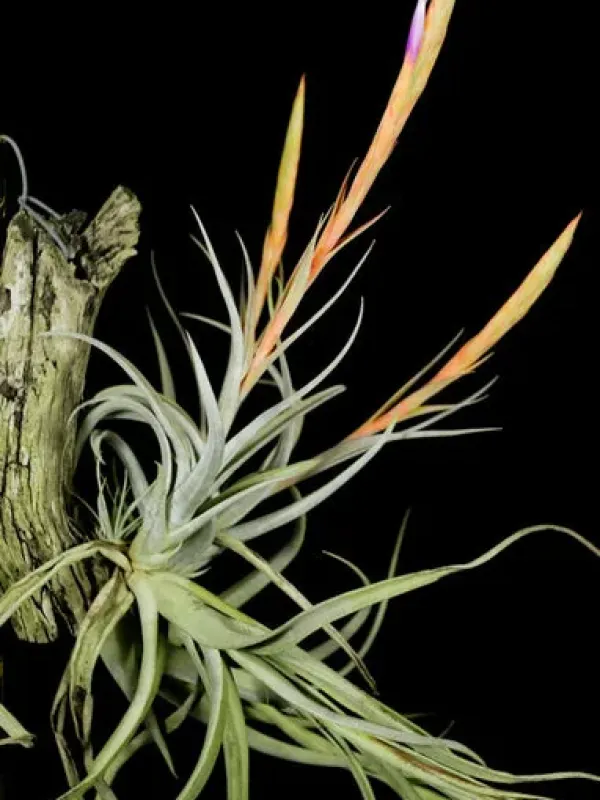
Description
Growing requirements
Tillandsia elizabethae is a fascinating member of the Bromeliad (Bromeliaceae) family. As an epiphyte, it has evolved to thrive in tropical canopy conditions, utilizing specialized trichomes on its foliage to absorb moisture and nutrients directly from the air.
The species originates from the tropical rainforests of the Americas. In a cultivation environment, it requires bright, indirect light to maintain healthy growth and coloration, as direct sunlight can easily damage the delicate leaf tissues.
Optimal environmental conditions include temperatures between 18°C and 26°C. High ambient humidity is crucial for the survival of this species, as it relies on humidity rather than soil-bound roots for water intake.
Cultivation technique differs from standard crops because the plant does not grow in soil. Instead, it is mounted on wood, bark, or kept in open-air containers with excellent drainage to prevent moisture stagnation and ensure root aeration.
The primary economic use of Tillandsia elizabethae is in the ornamental plant industry. It is highly valued for its unique appearance, making it a sought-after item for terrariums, indoor living walls, and specialized botanical collections.
Main diseases and pests
Common pests that may affect this species include mealybugs and scale insects. Maintaining hygiene in the cultivation area and performing regular visual inspections are the most effective strategies for early detection and control.
Fungal rots, particularly in the leaf base or root zone, represent the most significant threat to plant health. Such issues are typically caused by insufficient air circulation combined with prolonged dampness within the central leaf rosette.