
Tillandsia chaetophylla
Tillandsia chaetophylla
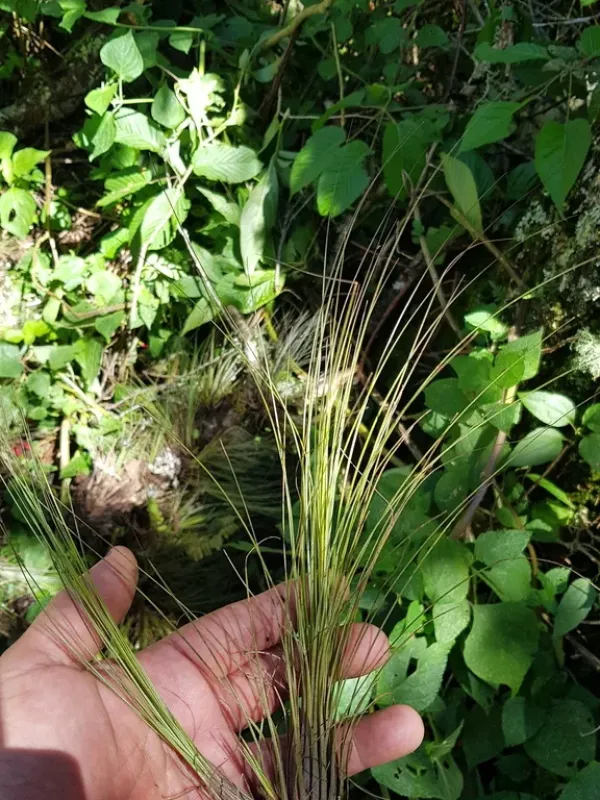
Description
Growing requirements
Tillandsia chaetophylla is a fascinating species belonging to the Bromeliaceae family. Native to the tropical forests of Central America, this plant is an epiphyte, meaning it naturally grows on the surfaces of other trees without acting as a parasite.
The plant thrives in temperatures between 68 and 80 degrees Fahrenheit. It is highly sensitive to extreme cold and requires a consistent environment to maintain its growth cycles and foliage health throughout the year.
To succeed in cultivation, high humidity is essential, ideally ranging from 60 to 80 percent. As an air plant, it does not have a functional root system for soil absorption, relying instead on moisture and minerals collected from the air through specialized scales called trichomes.
Adequate air circulation is a primary requirement for this species. Stagnant air around the leaves can lead to moisture buildup, which often results in decay, especially at the base of the plant where the leaves meet the rosette.
For ornamental or research purposes, these plants are often mounted on cork bark or driftwood. Using these substrates mimics the natural epiphytic growth habit and provides the structural stability needed for the plant to thrive.
Main diseases and pests
Typical pests affecting this culture include mealybugs and scale insects. These insects often nestle within the dense leaf rosettes, making them difficult to detect until they have caused significant damage to the plant tissue.
Fungal rots are the most prevalent diseases, usually triggered by poor ventilation or allowing water to sit in the center of the rosette for too long. Proper care involves shaking off excess water after watering sessions to ensure the plant dries properly.