
Tillandsia cardenasii
Tillandsia cardenasii
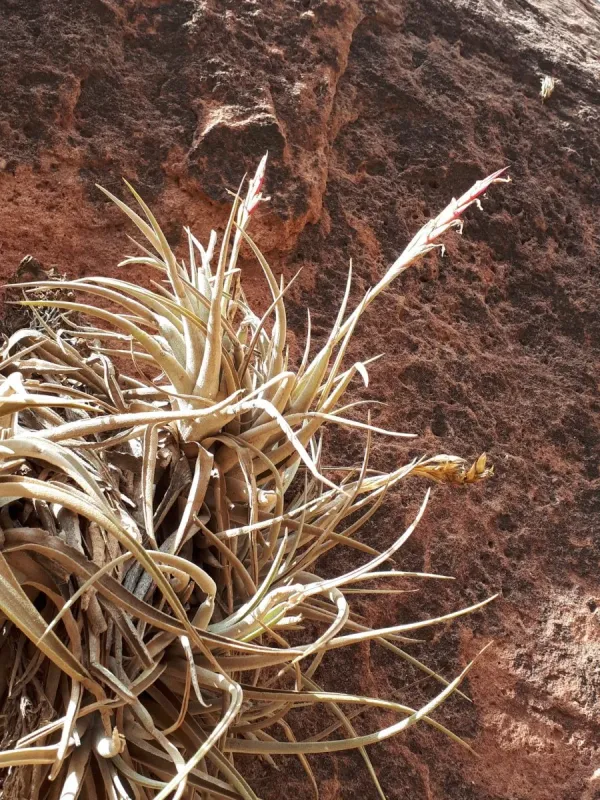
Description
Growing requirements
Tillandsia cardenasii is an exquisite epiphytic species belonging to the Bromeliad family. Native to the mountainous regions of Bolivia, this plant has adapted to survive on rocky terrains and tree branches, absorbing moisture and nutrients directly from the air through specialized structures called trichomes.
As an atmospheric air plant, it does not require soil for growth. Its root system is significantly reduced, serving only as a mechanical anchor to hold the plant in place. This makes it a popular choice for vertical gardening and terrarium cultivation.
Maintaining high humidity, ideally between 60% and 80%, is essential for this species. Good ventilation is equally important, as stagnant air around the leaves can prevent proper drying after watering, leading to detrimental moisture retention in the leaf axils.
The plant thrives in bright, indirect light. Direct sunlight should be avoided during the peak hours of the day to prevent the leaves from scorching. A location near an east-facing window is typically optimal for providing sufficient light without heat damage.
The ideal temperature range is between +18°C and +24°C. Tillandsia cardenasii is sensitive to drafts and extreme temperature fluctuations, which can stress the plant and reduce its natural resistance to diseases. Consistent environmental conditions are key to successful growth.
Main diseases and pests
Fungal diseases are the primary threat to Tillandsia cardenasii, often triggered by improper watering techniques. If water pools in the center of the rosette for too long, the tissues will begin to decay, often leading to the rapid collapse of the entire plant.
Mealybugs and spider mites are the most common pests encountered during cultivation. These pests typically infest the plant when the surrounding air becomes excessively dry, which suppresses the plant's natural defense mechanisms.
When pest control is necessary, it is vital to choose gentle, biological treatments. Strong chemicals can damage the delicate silvery scales on the leaves, which are responsible for the plant’s ability to survive by absorbing water from the atmosphere.
The use of hard water is another common mistake that hinders plant health. High concentrations of minerals in the water can clog the microscopic scales, eventually suffocating the plant. Always use distilled, rainwater, or deionized water for irrigation.
Regular monitoring of the leaves is the best defensive strategy. A healthy plant will have a vibrant, firm appearance with active trichomes; any changes in color or texture should be addressed immediately by adjusting the ventilation or watering schedule.