
Tillandsia burle-marxii
Tillandsia burle-marxii
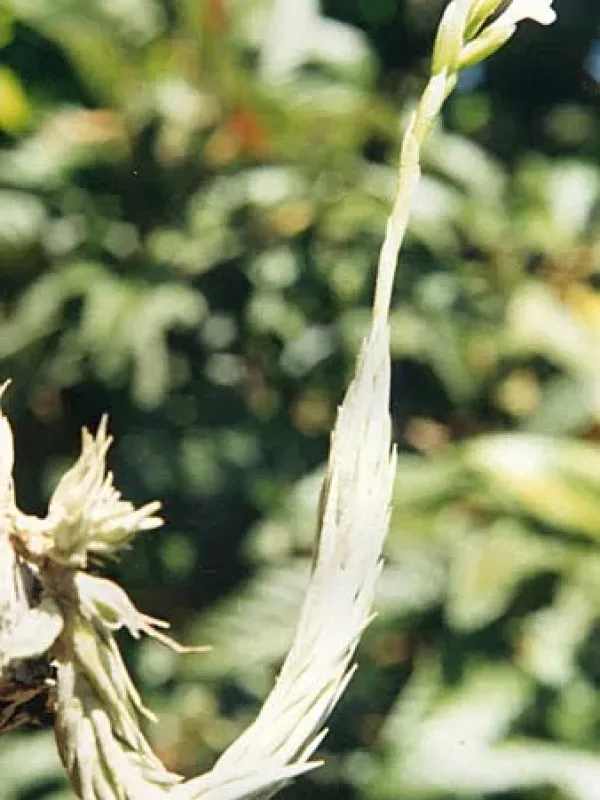
Description
Growing requirements
Tillandsia burle-marxii is a striking species within the Bromeliaceae family, native to the rugged mountainous terrains of Brazil. As an epiphyte, it does not rely on soil for nutrients, but instead clings to rocks and tree surfaces, absorbing moisture from the atmosphere.
The climate requirements for this culture are specific: it thrives in environments that provide cool nighttime temperatures and a warm, humid daytime climate. Optimal growth is observed when temperatures are kept between 18°C and 25°C.
Light intensity is a critical factor for the health of Tillandsia burle-marxii. It requires bright, indirect light to maintain its compact rosette form and healthy silver-toned foliage. Excessive shade will cause the plant to etiolate and lose its vigor.
Humidity management is the backbone of its care. Because it lacks a robust root system for water uptake, the plant utilizes specialized scales called trichomes to capture moisture. Regular misting with filtered or rainwater is essential for its survival.
Cultivation should focus on vertical mounting using organic blocks like cork or driftwood. This setup ensures excellent drainage and allows air to circulate freely around the plant, preventing the accumulation of stale water which is lethal to the species.
Main diseases and pests
The most common threat to Tillandsia burle-marxii is fungal rot, triggered primarily by poor air circulation and excessive moisture trapped within the leaves. Once the base of the rosette begins to decay, the plant is difficult to recover.
Mealybugs are the primary pest concern for this species. They often hide deep within the dense clusters of leaves, where they feed on sap and secrete honeydew, potentially leading to the development of sooty mold.
Scale insects can also infest the leaves. These pests are hardy and require mechanical removal followed by the application of organic insecticidal soaps formulated for delicate epiphytic plants.
Poor water quality is a subtle but significant threat. Hard water deposits minerals that clog the plant's trichomes, essentially suffocating its ability to absorb nutrients and water from the air over time.
Maintaining a clean, well-ventilated growing area and ensuring the plant dries out completely within a few hours after watering are the best strategies to avoid these common health issues.