
Tillandsia ariza-juliae
Tillandsia ariza-juliae
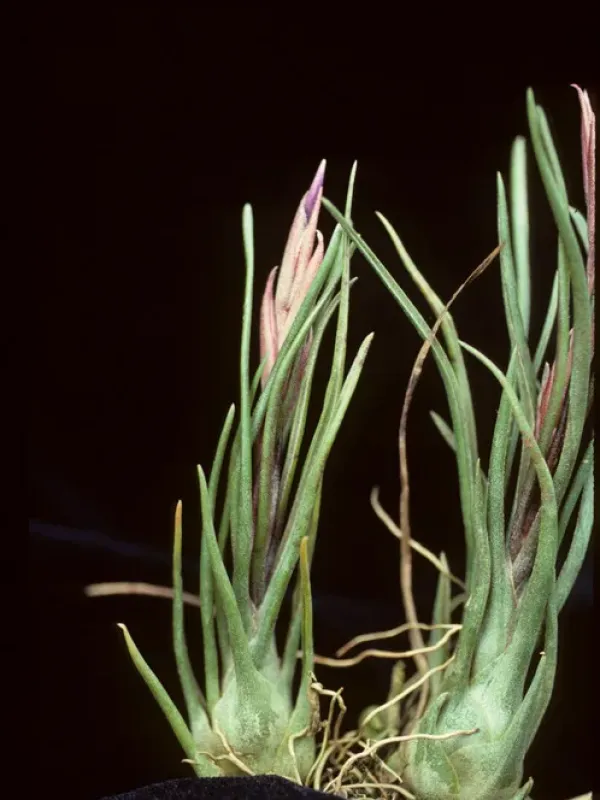
Description
Growing requirements
Tillandsia ariza-juliae is a unique member of the Bromeliaceae family, known primarily as an atmospheric epiphyte. It does not require soil to grow, instead relying on specialized leaf structures called trichomes to absorb moisture and nutrients directly from the air.
The species is endemic to the Dominican Republic, where it inhabits tropical environments characterized by high humidity and consistent temperatures. Its natural habitat is crucial for understanding its specific needs in a controlled environment.
To successfully cultivate this species, growers must maintain ambient humidity levels between 70% and 80%. Temperatures should remain stable, ideally between +18°C and +25°C, to ensure the plant's metabolic functions remain balanced.
The agricultural management of this plant requires high-quality water, such as rainwater or distilled water, to avoid mineral buildup. Irrigation is typically achieved through misting or brief submersion, ensuring that the plant dries out shortly after.
Adequate lighting is essential, favoring bright, filtered light. While the plant requires plenty of energy for photosynthesis, direct midday sun can be fatal to the leaf structure, causing severe dehydration and tissue damage.
Main diseases and pests
The most significant threat to the health of this culture is root and stem rot caused by prolonged water retention in the rosette. Lack of air circulation promotes the growth of opportunistic bacteria and fungi within the leaf axils.
Pests such as mealybugs and spider mites are common concerns in greenhouse cultivation. These organisms feed on plant juices, weakening the specimen and creating entry points for secondary infections.
When pest management is necessary, it is vital to use non-toxic or very mild horticultural solutions. Heavy chemicals can damage the delicate trichomes, which are essential for the plant's nutrient uptake process.
Preventative measures focus on hygiene and environmental control. Ensuring the plant dries completely within four to six hours after any irrigation is the most effective strategy against fungal outbreaks.
Consistent monitoring of the leaf structure is required to detect early signs of infestation. By maintaining a clean environment and ensuring proper airflow, the risks of biological threats are significantly reduced for this species.