
Sea wheatgrass
Thinopyrum acutum
Description
Growing requirements
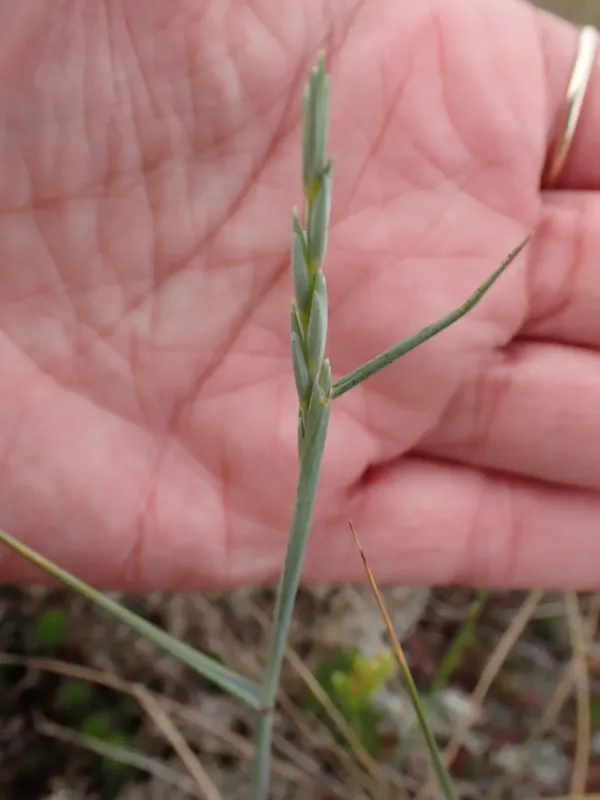
Sea wheatgrass (Thinopyrum acutum) belongs to the Poaceae family. It is a robust perennial grass species known for its remarkable ability to thrive in saline environments, commonly found in coastal regions.
The plant is classified as a halophyte, which means it has evolved biological mechanisms to handle high salinity levels in both the soil and the groundwater that would be toxic to most agricultural crops.
In terms of soil requirements, it prefers well-drained, sandy, or loamy textures. Its deep, fibrous root system plays a crucial role in stabilizing soil structures and protecting against coastal erosion.
Climate adaptation includes high tolerance to wind exposure and fluctuating moisture levels. It performs well in temperate zones where coastal maritime influences dominate the local weather patterns.
Management of this crop often involves minimal input, as it is naturally adapted to survive on marginal lands where other cereal or forage grasses would fail due to environmental stress.
Harvesting
The primary agricultural use of sea wheatgrass is as a forage resource for livestock, particularly in areas where traditional grass species cannot be cultivated due to salt content.
Harvesting is typically done through mechanical mowing. To ensure the highest nutritional value, it is essential to harvest the forage during the vegetative growth phase before the flowering stalks harden.
Grazing management is also feasible, as the plant shows excellent regrowth capacity, allowing it to recover quickly after being grazed by ruminants in rotational systems.
Seed production is harvested at the end of the summer season when the spikes reach full maturity. Careful timing is necessary to prevent significant seed shattering before the harvesting equipment reaches the field.
Post-harvest conditioning of the seeds involves thorough drying to reduce moisture content, which is vital for long-term storage and maintaining viability for future sowing campaigns.