
Tacinga inamoena
Tacinga inamoena
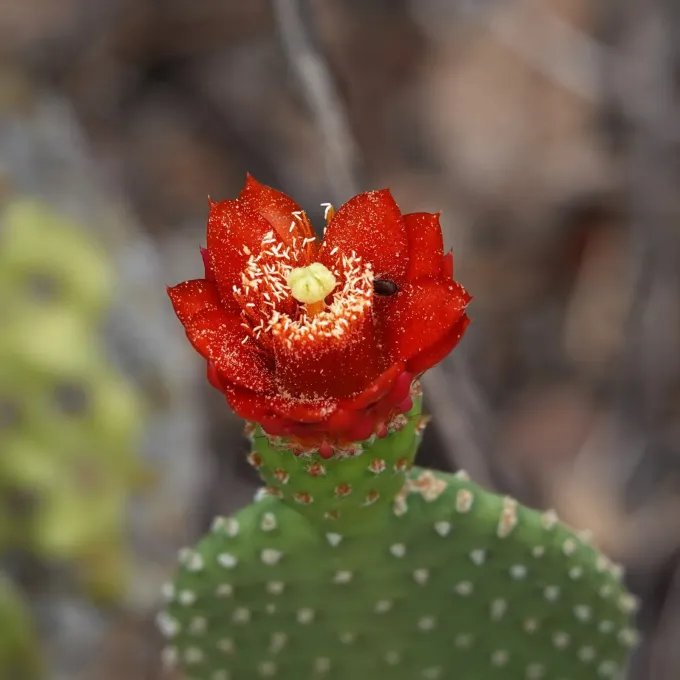
Description
Growing requirements
Tacinga inamoena is a resilient perennial species belonging to the Cactaceae family, natively inhabiting the arid Caatinga region of Brazil. It has evolved specific physiological adaptations to thrive in environments characterized by extreme heat and prolonged water scarcity.
The culture requires sandy or rocky substrates with excellent drainage properties to prevent root decay. A well-aerated soil profile is essential, as waterlogging is the primary cause of plant failure in agricultural settings, even in mature, established specimens.
As a heliophilous species, it demands full sun exposure throughout the day to sustain its metabolic rate. Optimal temperatures for cultivation range from 25°C to 35°C, ensuring rapid biomass accumulation during the vegetative phase.
Agricultural propagation is primarily achieved through stem cuttings. These segments should be allowed to form a callus before planting to ensure successful rooting and minimize the risk of infection by soil-borne pathogens.
The primary economic value of Tacinga inamoena lies in its role as a strategic forage reserve for livestock. In arid regions, it serves as a critical source of moisture and nutrients during severe droughts when conventional fodder crops fail to provide sufficient output.
Main diseases and pests
Fungal infections resulting from improper irrigation management pose the most significant threat to plant health, often manifesting as root rot or internal stem necrosis.
Pests such as mealybugs and scale insects represent recurring challenges for commercial growers. These pests congregate on the succulent stems, extracting fluids and creating entry points for secondary bacterial pathogens.
- Monitor for signs of soft rot during the rainy season.
- Implement spacing protocols to improve air circulation.
- Use systemic insecticides only when infestation thresholds are exceeded.
Maintaining high hygiene standards by sterilizing cutting tools between plants is a critical practice to prevent the cross-contamination of viral or fungal diseases within the field.
Effective weed control is also necessary to reduce competition for soil nutrients, although the plant's natural competitive ability in arid environments is relatively high compared to other crop species.