
Tacinga funalis
Tacinga funalis
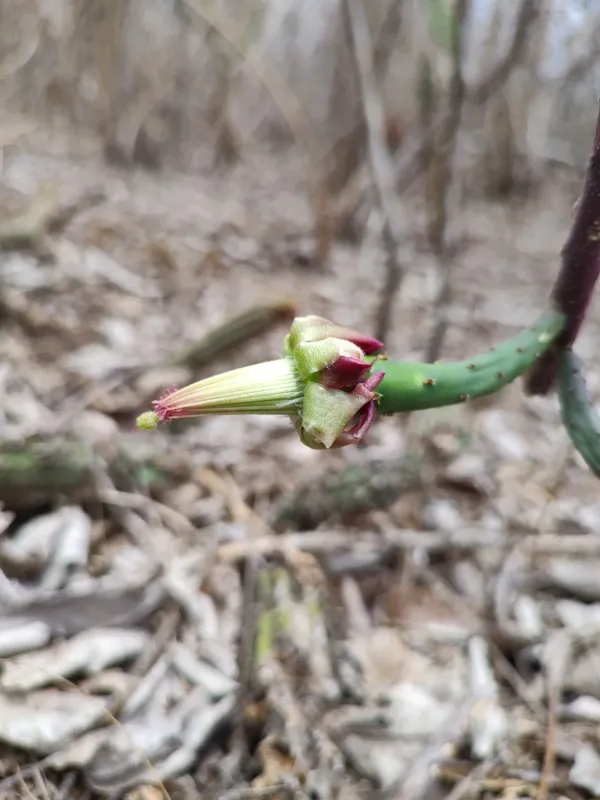
Description
Growing requirements
Tacinga funalis is a specialized cactus species belonging to the Cactaceae family. It is endemic to specific regions in Brazil, where it thrives in semi-arid and tropical environments with high light intensity throughout the year.
The botanical structure of the plant features elongated, slender stems that distinguish it from the more common barrel or columnar cacti. These stems are highly specialized to maximize photosynthesis under fluctuating moisture availability.
Successful cultivation requires a gritty, well-draining substrate composed primarily of mineral components such as coarse sand, pumice, and expanded clay. Organic matter should not exceed 10-15% of the total soil volume to prevent root rot.
Climate requirements involve consistent warmth, preferably ranging from 22 to 30 degrees Celsius during the active growing season. Adequate ventilation is crucial to mimic natural airflow and prevent the buildup of stagnant humidity around the stems.
The primary use of Tacinga funalis is currently restricted to specialized horticultural collections and scientific research. It serves as a study model for plant biologists interested in the evolution of climbing habits within the cactus family.
Main diseases and pests
Pathogenic threats are primarily linked to fungal infections triggered by excessive soil moisture or high humidity levels. Root rot caused by Pythium and Phytophthora species can destroy the root system rapidly.
Common pests include mealybugs and spider mites, which congregate in the crevices of the stem joints. Management strategies include the use of systemic insecticides and maintaining a clean, dry growing environment to minimize pest outbreaks.