
Tacca chantrieri hybrid
Tacca chantrieri André x T. integrifolia Ker Gawl
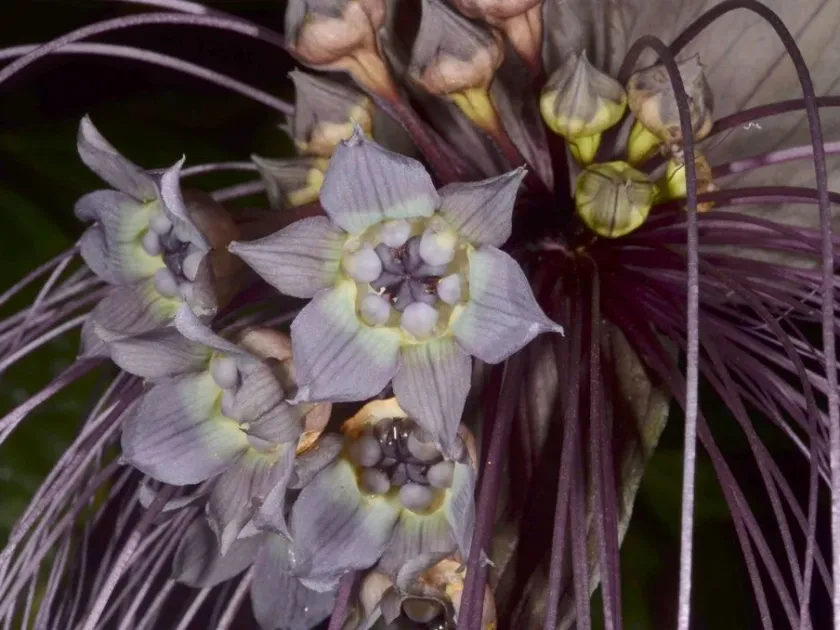
Description
Growing requirements
Tacca chantrieri hybrid (Tacca chantrieri André x T. integrifolia Ker Gawl) is a specialized perennial herb belonging to the Dioscoreaceae family. Originating from the tropical rainforests of Southeast Asia, this plant has evolved to thrive in high-humidity environments with dappled sunlight, typically found on the forest floor.
Climatic requirements are rigorous, necessitating a stable temperature range between 22°C and 28°C. The species is highly sensitive to cold stress; exposure to temperatures below 15°C can cause metabolic shutdown and irreversible damage to the leaf structure. Maintaining a humidity level of at least 70% is essential for healthy development.
The substrate must be light, airy, and rich in organic matter. A professional soil mix typically includes peat moss, orchid bark, perlite, and charcoal, which ensures optimal drainage while retaining the necessary moisture. The pH should be maintained between 5.5 and 6.5 to support nutrient uptake.
Cultivation practices involve cautious irrigation, ensuring the growing medium remains moist but never waterlogged. The use of tepid, purified water is mandatory to avoid salt buildup, which the sensitive root system of the Tacca cannot process, often leading to leaf tip burn and long-term decline.
In terms of commercial utility, Tacca chantrieri hybrid is highly valued in the luxury ornamental plant market. It serves as a primary specimen for conservatories and high-end botanical displays, and is widely researched for its unique floral architecture, which remains a focal point for plant enthusiasts worldwide.
Main diseases and pests
Spider mites are the most common pest, thriving in environments where airflow is insufficient and humidity drops below the threshold. Regular monitoring and the application of biological control agents or specific acaricides are recommended to manage mite outbreaks before they cause severe leaf chlorosis.
Fungal pathogens, particularly root rot caused by Phytophthora or Pythium species, represent the primary threat to longevity. These occur predominantly due to poor soil drainage or excessive irrigation cycles, requiring a strict adherence to proper watering intervals and the use of sterile growing media.
Mealybugs can often be found in the dense foliage or near the base of the stems, feeding on plant sap. Manual removal combined with systemic insecticidal treatments is often necessary to control these infestations, especially in greenhouse environments where the pests can spread rapidly between specimens.
Leaf spot diseases triggered by bacterial or fungal agents are frequent complications in poorly ventilated spaces. Keeping the foliage dry and ensuring an ambient temperature steadying around 25°C helps significantly reduce the susceptibility to these opportunistic infections that mar the aesthetic quality.
For successful management, preventative measures such as strict hygiene protocols for tools and containers are crucial. Utilizing broad-spectrum fungicides as a preventative spray during the transition between seasons can protect the plants during periods of physiological stress, ensuring stable growth and development.