
Tabernaemontana odoratissima
Tabernaemontana odoratissima
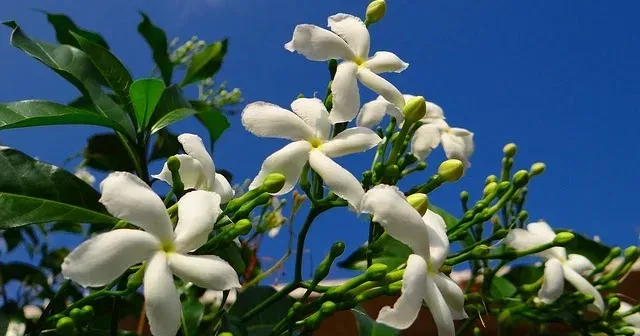
Description
Growing requirements
Tabernaemontana odoratissima is a perennial evergreen shrub or small tree belonging to the Apocynaceae family. Native to the tropical regions of South America, this plant is well-known for its highly fragrant, distinctively shaped flowers.
To thrive, the plant requires a warm tropical environment with temperatures consistently staying between 20°C and 28°C. It is extremely sensitive to cold and frost, making greenhouse conditions essential in non-tropical climates.
The soil requirements focus on high organic content mixed with perlite or coarse sand to ensure excellent drainage. Maintaining a slightly acidic to neutral soil pH is crucial for proper nutrient uptake and overall plant vigor.
Adequate lighting is essential, although direct sunlight during the hottest part of the day should be avoided to prevent leaf scorching. Bright, filtered light promotes the most abundant flowering and maintains dense, healthy foliage.
Commercially, the plant is primarily cultivated for its ornamental value in landscaping and interior design. Its aromatic profile also makes it a subject of interest in ethnobotanical studies regarding the diverse alkaloids present within the genus.
Main diseases and pests
Common pests affecting this species include spider mites, mealybugs, and whiteflies, especially when grown in indoor environments with limited airflow. Regular monitoring of the leaf undersides is recommended.
Root rot is the most significant threat, often caused by overwatering or poorly drained substrate. Ensuring that the soil remains moist but never waterlogged is the primary defense strategy against soil-borne pathogens.
Fungal leaf spots can occur under conditions of high humidity and poor ventilation. Providing sufficient space between individual plants helps reduce the incidence of such diseases through improved circulation.
Nutritional deficiencies, specifically magnesium or iron chlorosis, can manifest as yellowing between the veins of the leaves. Balanced fertilization with micronutrients can help correct these imbalances effectively.
Practicing strict hygiene during pruning is necessary to prevent infection. Since the plant releases a milky latex when injured, growers should wear protective gloves to avoid skin irritation and potential allergic reactions.