
Tabernaemontana mauritiana
Tabernaemontana mauritiana
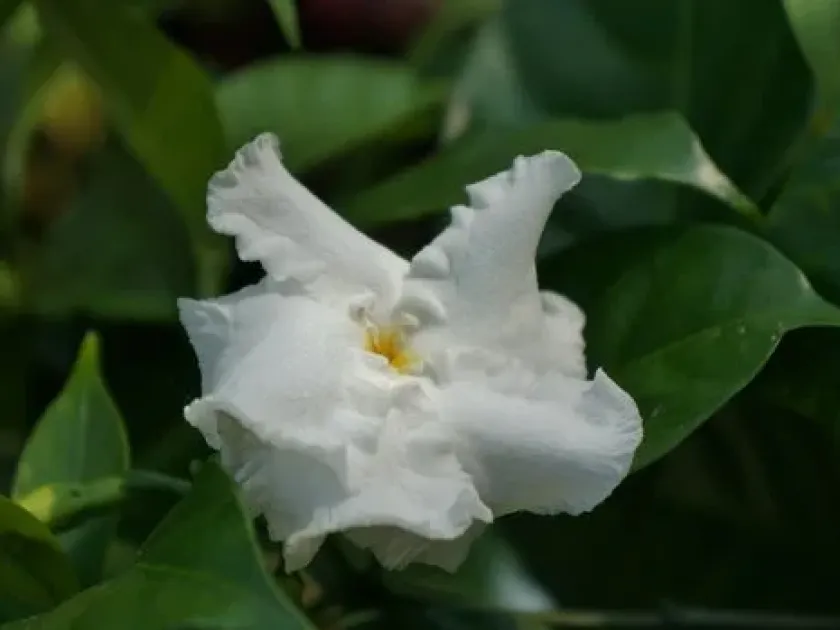
Description
Growing requirements
Tabernaemontana mauritiana is an evergreen woody plant belonging to the Apocynaceae family. It is recognized for its botanical characteristics consistent with tropical shrub species, including latex-filled tissues and dark, glossy foliage.
Originating from the tropical forests of the Mauritius region, this species thrives in environments characterized by high humidity and consistent tropical temperatures. It is primarily managed as an ornamental greenhouse crop in non-native climates.
The crop requires fertile, well-draining soil substrates rich in organic matter. Proper aeration of the root zone is vital to prevent hypoxia, which the plant is highly susceptible to in saturated soil conditions.
Regarding climate, the plant demands bright, indirect light levels. Intense, direct sun exposure during peak hours can cause leaf scorch, significantly reducing the aesthetic and physiological value of the crop.
Standard agrotechnology involves maintaining a balanced irrigation schedule that keeps the soil consistently moist but never waterlogged. Seasonal nutrient management is required, utilizing balanced fertilizers to support vegetative vigor.
Main diseases and pests
Spider mites represent a primary pest threat, especially in controlled environments where humidity levels fluctuate. They inhabit the undersides of leaves, causing significant chlorosis and eventual necrosis of the foliage.
Mealybugs are frequently observed clustering in leaf axils. These pests extract phloem sap and produce honeydew, which serves as a substrate for secondary fungal infections such as sooty mold.
Scale insects pose a challenge due to their protective coverings. Control typically requires manual removal in early stages, followed by targeted application of systemic insecticides suitable for indoor or greenhouse application.
Root rot, often caused by Pythium or Phytophthora species, is a lethal threat triggered by poor drainage and overwatering. Early identification through wilting symptoms is crucial for saving the specimen.
Fungal leaf spots represent a common pathology when air circulation is inadequate. Maintaining proper plant spacing and ensuring good airflow around the canopy are the primary cultural practices for mitigation.