
Tabernaemontana litoralis
Tabernaemontana litoralis
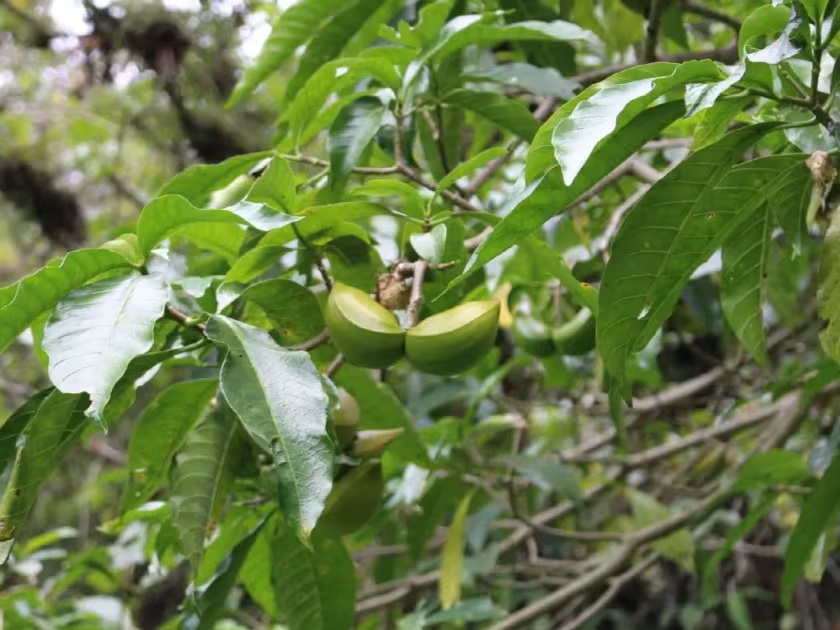
Description
Growing requirements
Tabernaemontana litoralis is an evergreen shrub or small tree belonging to the Apocynaceae family. It is characterized by its glossy foliage and highly fragrant, white, pinwheel-shaped flowers that appear throughout the growing season.
The species is native to the tropical coastal regions of Central and South America. Due to its origin, it requires a climate that mimics tropical conditions, specifically maintaining temperatures above freezing throughout the entire year.
The ideal soil for this crop is well-drained, fertile, and slightly acidic. It is essential to ensure that the potting medium or garden soil provides excellent aeration to prevent root suffocation, which is a common problem for this genus.
Regular but controlled irrigation is required to maintain the soil moisture balance. While the plant appreciates humidity, it is vital to avoid constant waterlogging, which often leads to poor plant vigor and susceptibility to pathogens.
Industrially or ornamentally, Tabernaemontana litoralis is utilized for landscaping in tropical urban environments. Furthermore, it remains a subject of phytochemical research due to the diverse range of alkaloids present in its bark and leaves.
Main diseases and pests
The most common pests affecting this shrub include spider mites, mealybugs, and scale insects, which often thrive in environments with low air circulation.
Fungal pathogens causing root rot and leaf spot are significant threats, usually triggered by improper watering practices or high-humidity environments with stagnant air.
Integrated pest management strategies are recommended, including the use of horticultural oils for pest control and ensuring proper spacing for adequate ventilation.
Removing dead or decaying plant matter is a necessary sanitation practice to prevent the accumulation of fungal spores and reduce the risk of infection.
Gardeners should exercise caution, as plants in the Apocynaceae family contain milky latex that can be toxic and irritating to the skin, requiring the use of protective gear during pruning.