
Tabernaemontana latifolia
Tabernaemontana latifolia
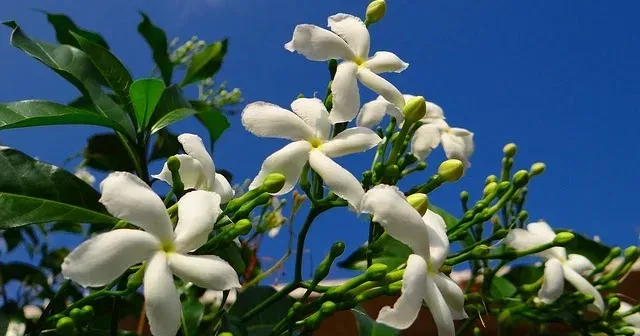
Description
Growing requirements
Tabernaemontana latifolia is a tropical perennial plant belonging to the Apocynaceae family. Known for its broad, lush foliage and fragrant blooms, it is primarily grown for ornamental purposes in controlled environments.
The species originates from the tropical regions of South America. It thrives in high-humidity habitats with consistent temperatures, requiring a microclimate that mimics its native rainforest floor conditions.
Optimal growth requires well-draining, nutrient-rich, slightly acidic soil. The root system is sensitive to waterlogging, necessitating a substrate that allows for proper aeration to prevent root suffocation and decay.
Agricultural techniques focus on maintaining consistent soil moisture and high ambient humidity levels. The plant prefers bright, indirect light, as direct exposure can cause leaf scorching, particularly in younger specimens.
Regular fertilization during the growing season is essential for maintaining vigor. A balanced fertilizer application helps support the metabolic needs of the plant, promoting healthy foliage development and flower production.
Main diseases and pests
Typical pests affecting this culture include spider mites, mealybugs, and scale insects. These pests often proliferate in greenhouse conditions where natural predators are absent and air circulation is limited.
Fungal pathogens such as root rot and leaf spot are common threats resulting from poor drainage or excessive humidity without proper airflow. Prevention is achieved through strict irrigation management.
Effective control measures involve the use of systemic insecticides and fungicides, tailored to the specific growth stage of the plant. Integrated pest management (IPM) strategies are highly recommended.
Hygiene practices, including the regular disinfection of equipment and removal of debris, are critical to prevent the outbreak of diseases. Maintaining an optimal environment is the best defense.
Monitoring for signs of stress or infestation is vital for crop protection. Early detection allows for targeted spot treatments, minimizing the need for extensive chemical usage across the entire population.