
Tabernaemontana dichotoma
Tabernaemontana dichotoma
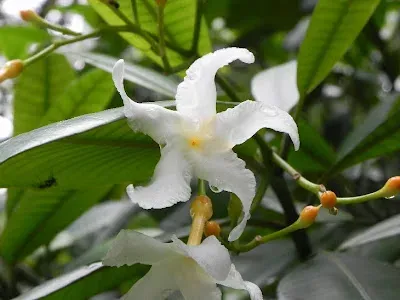
Description
Growing requirements
Tabernaemontana dichotoma is an elegant shrub or small tree belonging to the Apocynaceae family. It is native to the tropical forests of India and Sri Lanka, where it thrives in humid and warm environments.
To ensure healthy growth, the plant requires consistent temperatures ranging between 22°C and 28°C. It is highly sensitive to frost and cold drafts, making it unsuitable for outdoor cultivation in temperate regions.
The ideal substrate for this culture should be nutrient-rich, airy, and well-draining. A mixture of peat, loam, and coarse perlite is recommended to prevent waterlogging, which often leads to root damage.
Light management is crucial; while the plant enjoys bright light, it should be protected from intense, direct tropical sunlight during the hottest hours of the day to prevent leaf scorch.
In terms of agricultural use, the plant is primarily cultivated for its aesthetic appeal. Its fragrant white flowers and glossy foliage make it a prized specimen in public landscape design and botanical gardens.
Main diseases and pests
The primary pests affecting Tabernaemontana dichotoma are spider mites, mealybugs, and scale insects. These pests often congregate on the undersides of leaves or along the stems, requiring prompt intervention.
Root rot is the most serious disease risk, typically caused by overwatering or poor soil drainage. Infected plants show symptoms of wilting and yellowing leaves, often followed by stem collapse.
Fungal infections, including leaf spot, may occur in conditions of high humidity with insufficient air circulation. Regular pruning to improve air flow within the canopy is a standard preventive measure.
Nutrient deficiencies, particularly iron chlorosis, can manifest as yellowing between the leaf veins. This is usually managed by applying chelated fertilizers to balance the soil pH levels.
Due to the presence of toxic alkaloids in the plant's sap, farmers and gardeners are advised to handle the plant with gloves to avoid skin irritation or accidental ingestion.