
Tabernaemontana crassa
Tabernaemontana crassa
Description
Growing requirements
Tabernaemontana crassa is an evergreen woody plant belonging to the Apocynaceae family. Native to the humid rainforests of West and Central Africa, it thrives in environments characterized by high humidity and consistent tropical temperatures throughout the year.
The crop requires fertile, well-draining soils rich in organic matter. Agricultural site selection must avoid low-lying areas prone to waterlogging, as the species is highly susceptible to root decay when exposed to stagnant moisture.
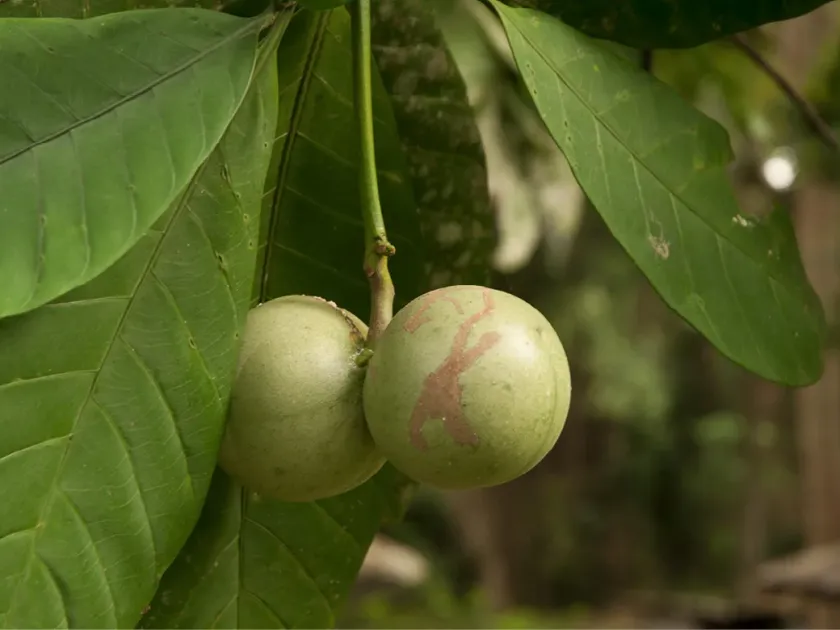
Botanically, it is recognized by its thick, leathery, dark green leaves and complex white flowers. The plant produces a milky latex, which is a characteristic trait of many members of the Apocynaceae family, often serving as a chemical defense mechanism.
Regarding climate requirements, Tabernaemontana crassa demands a frost-free environment with a stable thermal regime. Optimal development occurs in areas with annual rainfall ranging from moderate to heavy, supported by high relative humidity.
Cultivation practices include systematic pruning to manage the architecture of the canopy, especially when the plant is grown for its medicinal alkaloids found in the root bark and latex. Planting density must allow for adequate light penetration to prevent senescence of lower branches.
Main diseases and pests
The primary threats to Tabernaemontana crassa involve sap-sucking pests such as mealybugs and scale insects. These organisms thrive in sheltered tropical conditions and can cause significant damage to the plant's vascular system if left unmanaged.
Fungal pathogens represent another significant risk, particularly those affecting the root system. Phytophthora species are often identified as the primary culprits behind sudden wilting and tree collapse in poorly drained soil conditions.
Leaf spot diseases, often caused by Colletotrichum species, can degrade the quality of the foliage. These infections typically spread during periods of persistent rainfall or excessive moisture accumulation on the leaf surface.
Integrated pest management (IPM) strategies are essential for sustainable cultivation, focusing on natural predators and biological controls rather than synthetic pesticides, particularly given the medicinal application of the plant parts.
Environmental stress, such as extreme heat spikes combined with low humidity, can lead to scorching of the foliage, making the plant more vulnerable to secondary opportunistic infections by weak pathogens.