
Tabernaemontana corymbosa
Tabernaemontana corymbosa
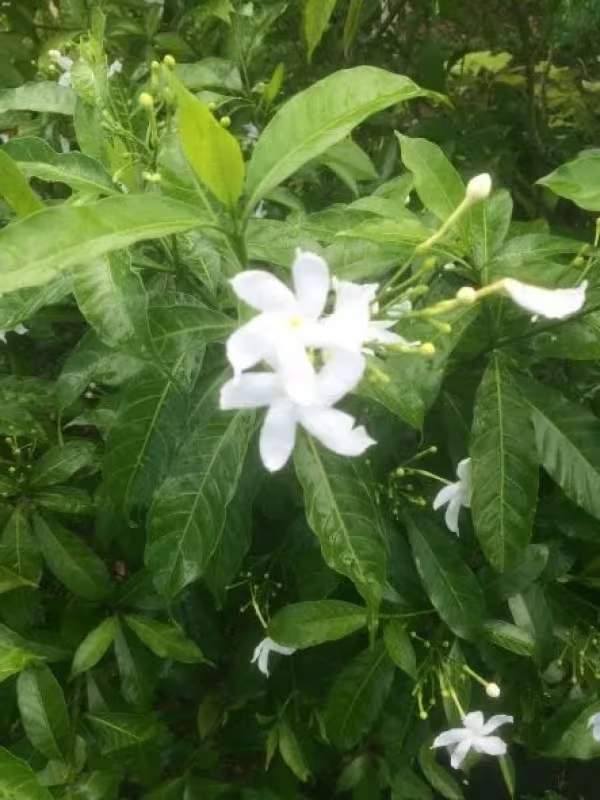
Description
Sowing dates
Propagation of Tabernaemontana corymbosa is most efficiently achieved through stem cuttings taken during the active growth phase in spring. Semi-hardwood cuttings respond best to a rooting hormone treatment and a high-humidity environment.
The cuttings should be planted in a sterilized, well-draining medium such as a mixture of perlite and peat moss. Maintaining a bottom heat of approximately 25 degrees Celsius significantly enhances the success rate of rooting in this species.
Seeds can be sown in a light, sandy soil mix, though germination is often slow and requires consistent moisture. Covering the tray with clear plastic helps to maintain the high humidity levels required for seedling development.
Once seedlings have developed several sets of true leaves, they should be transplanted into individual containers. Care must be taken during this transition to avoid damaging the delicate taproot, which is common in many Apocynaceae species.
Young plants require gradual acclimatization to lower humidity levels before being moved to permanent positions in the greenhouse or outdoor garden space.
Growing requirements
Tabernaemontana corymbosa belongs to the Apocynaceae family and is native to tropical climates. It thrives in environments that mimic its natural understory habitat, requiring bright, indirect light rather than direct, harsh sunshine.
The ideal soil for this shrub is nutrient-rich, slightly acidic, and loamy, with high organic content. Excellent drainage is non-negotiable, as waterlogged roots are extremely susceptible to fungal infections and rapid decay.
Temperature stability is critical for the health of this plant. It prefers temperatures between 20 and 26 degrees Celsius and will show signs of physiological stress if exposed to temperatures dropping below 15 degrees for extended periods.
Consistent watering is required, allowing the surface of the soil to dry out slightly between waterings. Use soft water, as plants in this family can be sensitive to heavy minerals and chlorine often found in tap water.
During the peak growing season, regular fertilization is recommended. Balanced NPK fertilizers or those enriched with micronutrients will support the formation of its characteristic fragrant white flowers and glossy foliage.
Main diseases and pests
The most common pests affecting this plant are spider mites and mealybugs, especially in indoor environments where air circulation may be restricted. Regular inspection of leaf undersides is recommended for early detection.
Root rot is the primary disease risk, usually caused by overwatering or poor drainage. Using fungicide-treated soil and ensuring adequate space between containers can mitigate this threat significantly.
Scale insects can occasionally infest the stems, leaving sticky honeydew residue on the leaves. These should be treated with horticultural oils or systematic insecticides at the first sign of infestation.
Chlorosis, manifesting as yellowing between leaf veins, is a frequent indicator of nutrient deficiency or water pH imbalance. Applying chelated iron supplements often restores the foliage to a vibrant green color.
- Ensure adequate airflow to prevent fungal pathogen proliferation.
- Use sterile tools when pruning to avoid transmitting plant viruses.
- Isolate new plants before introducing them to the main collection to prevent pest spread.