
Tabernaemontana citrifolia
Tabernaemontana citrifolia
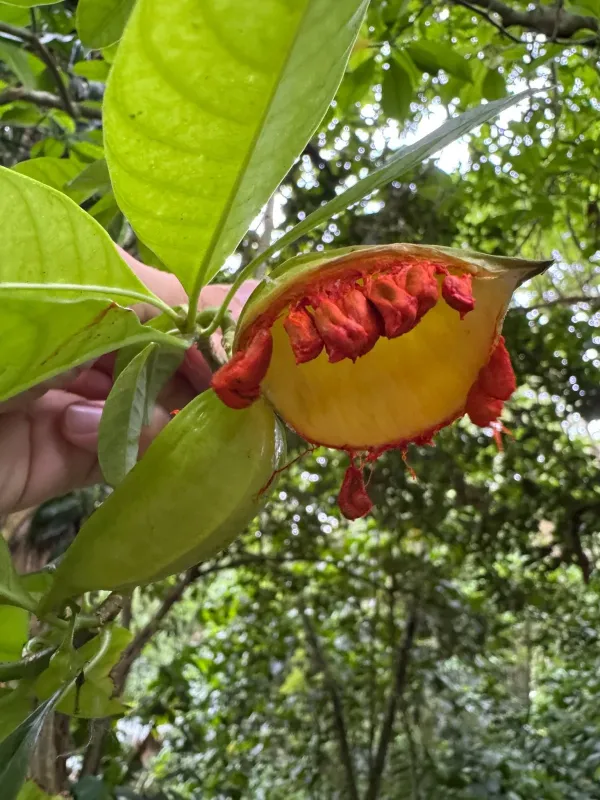
Description
Growing requirements
Tabernaemontana citrifolia is a perennial evergreen shrub or small tree belonging to the Apocynaceae family. It is characterized by its glossy, citrus-like foliage and fragrant white flowers, which are typical of many members of this botanical family.
Native to the tropical regions of the Caribbean and Central and South America, this plant thrives in humid, frost-free climates. It is frequently found in understory environments, which informs its preference for dappled sunlight rather than intense direct exposure.
The cultivation of this species requires well-draining, fertile soil enriched with organic matter. Proper drainage is the most critical factor, as stagnant water significantly increases the risk of root rot and other moisture-related pathologies in the root system.
Temperature management is vital; the plant requires consistent warmth, ideally between 22 and 28 degrees Celsius. It is highly sensitive to cold stress, and temperatures dropping significantly below the tropical average can lead to irreversible damage to foliage and stems.
Agricultural maintenance involves consistent moisture management, ensuring that the soil remains moist but never waterlogged. Pruning is recommended during the dormant period or after flowering to maintain a dense habit and promote healthier growth cycles in subsequent seasons.
Main diseases and pests
The primary agricultural pests for Tabernaemontana citrifolia include the spider mite and various species of scale insects. These pests often proliferate when the plant is stressed by low humidity or poor environmental ventilation, leading to leaf discoloration and drop.
Mealybugs are another common threat, often congregating in leaf axils and along young stems. Effective management requires the use of targeted horticultural oils or systemic insecticides, ensuring full coverage while maintaining the safety of the plant tissues.
Root rot, driven by Phytophthora or Pythium species, occurs primarily due to improper irrigation practices or poor soil structure. If the soil remains saturated for extended periods, the root systems fail to obtain sufficient oxygen, leading to rapid decline.
Foliar diseases, such as fungal leaf spots, can occur when the canopy is too dense or when the foliage remains wet for too long. Improving air circulation around the plants and pruning back overcrowded branches can significantly reduce the incidence of these issues.
While the plant produces secondary metabolites, specifically alkaloids, that act as natural defense mechanisms against many herbivores, it remains vulnerable to invasive pests in monoculture or greenhouse environments. Regular monitoring is essential for maintaining crop vigor.