
Tabernaemontana cerifera
Tabernaemontana cerifera
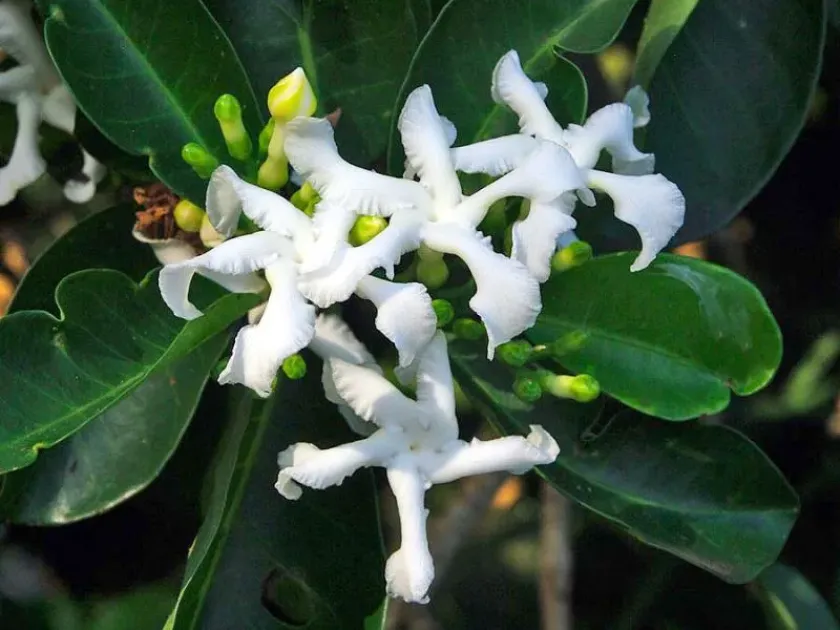
Description
Growing requirements
Tabernaemontana cerifera is an evergreen shrub or small tree belonging to the Apocynaceae family, native to the tropical regions of South America.
The plant thrives in humid equatorial environments, characterized by consistent warmth and abundant rainfall throughout the year.
For successful agricultural production, it requires well-drained soil rich in organic matter to mimic its natural forest habitat floor.
The species prefers filtered or indirect light exposure, as excessive direct radiation can cause physiological leaf stress and dehydration in the canopy.
Temperature management is critical, as the plant does not tolerate cold drafts or temperatures below 15 degrees Celsius, which can lead to metabolic dormancy or tissue necrosis.
Main diseases and pests
Typical plant health threats include sap-sucking insects such as aphids and mealybugs, which tend to congregate on the undersides of leaves.
Fungal pathogens including Botrytis and various root rot fungi proliferate under conditions of poor soil aeration and waterlogged conditions.
The waxy layer on the leaves provides some defense, yet the plant remains susceptible to localized infections if mechanical damage to the bark occurs.
Integrated Pest Management (IPM) programs should prioritize biological controls and specific acaricides to handle mite outbreaks effectively.
Continuous monitoring of irrigation cycles is essential to prevent the environmental conditions that favor the development of crown and root pathogens.