
Tabernaemontana catharinensis
Tabernaemontana catharinensis
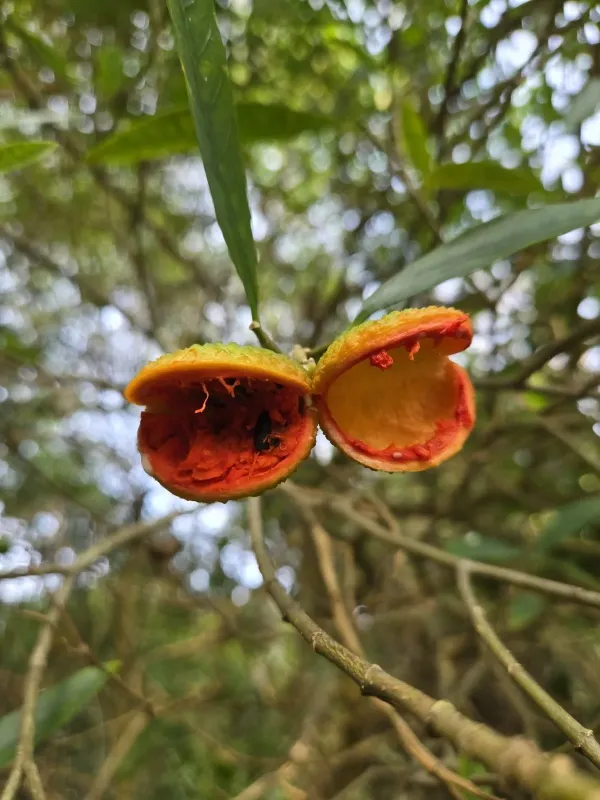
Description
Growing requirements
Tabernaemontana catharinensis is a perennial evergreen shrub belonging to the Apocynaceae family. Native to the tropical regions of South America, specifically Brazil, this species is known for its fragrant flowers and glossy foliage, making it a valued plant in specialized botanical collections.
The plant requires a tropical climate with constant warmth and high ambient humidity. It is strictly sensitive to frost, which necessitates cultivation in greenhouses or temperature-controlled indoor environments in regions outside its natural habitat.
Regarding soil, Tabernaemontana prefers well-drained, nutrient-rich substrates with a slightly acidic to neutral pH level. Proper drainage is critical to prevent waterlogging, which the root system of this species is highly susceptible to in container conditions.
Agronomic management involves consistent irrigation practices and balanced fertilization during the primary growth phase. Pruning is recommended to maintain a dense, aesthetic structure and to encourage new flower-bearing shoots throughout the season.
Beyond its horticultural appeal, this plant is significant for its chemical composition. Like other members of the Tabernaemontana genus, it contains various indole alkaloids, which have been studied extensively for their potential medicinal properties and biochemical applications.
Main diseases and pests
The primary pests affecting this crop include spider mites, mealybugs, and scale insects. These pests thrive in dry indoor conditions and can significantly damage plant health if not controlled through early detection and the use of targeted systemic insecticides.
Fungal pathogens such as root rot (Phytophthora or Pythium spp.) often appear due to improper irrigation techniques and poor soil aeration. To maintain plant health, it is essential to ensure a clean growing environment and follow strict hygiene protocols when pruning or repotting.